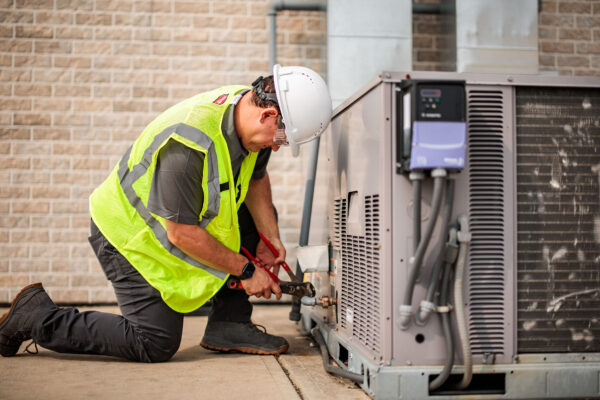
Summer heat can reveal commercial HVAC problems quickly. Weak airflow, uneven temperatures, long run times, humidity complaints, and rising utility bills may all mean your facility needs attention before cooling demand peaks.
For New Jersey business owners, property managers, and facility teams, the goal is clear: maintain comfort, avoid disruption, and make budget decisions with better information. Princeton Air offers commercial HVAC installation, HVAC repair and maintenance, and ventilation and indoor air quality services for New Jersey-area businesses.
What should businesses check before peak cooling season?
Businesses should check airflow, thermostat schedules, equipment access, service history, and recent utility trends before New Jersey’s first stretch of steady summer heat.
Start with safe, visible checks:
- Are some offices, customer areas, tenant spaces, or work zones warmer than others?
- Does the system run longer than it used to?
- Are vents or returns blocked by furniture, inventory, displays, or stored materials?
- Do thermostat schedules match actual operating hours?
- Are visible filters dirty or past their change schedule?
- Have utility bills climbed without a clear change in building use?
New Jersey facilities can move from wet spring conditions into humid summer weather quickly. Older commercial buildings, retrofits, and mixed-age mechanical systems can make small comfort issues more noticeable once cooling demand rises.
Schedule an inspection with Princeton Air today before peak summer heat hits
What signs mean your facility may overheat this summer?
A facility may overheat this summer if the cooling system cannot keep temperatures steady during normal business hours.
Watch for these commercial HVAC warning signs:
- Uneven temperatures
Hot and cool areas may point to airflow, controls, zoning, duct, or equipment issues. - Poor airflow
Weak air from vents can be tied to dirty filters, blocked returns, fan issues, or duct restrictions. - Rising energy bills
If operating hours have not changed, higher bills may mean the system is running longer than expected. - Long run times
A commercial cooling system that rarely cycles off may be struggling to keep up. - Humidity complaints
Sticky indoor air can affect comfort during New Jersey’s humid summer weather. - New sounds or vibration
Rattling, buzzing, grinding, or sudden short cycling should be documented. - Repeat service issues
Frequent repairs may signal that maintenance is no longer enough.
In short, one symptom does not always mean a major failure. A pattern of symptoms is the stronger warning sign.
What can facility teams safely check before calling?
Facility teams can safely document symptoms, check visible filters, clear blocked vents, confirm thermostat schedules, and review maintenance records before calling.
Use this simple checklist:
- Note which areas are too warm.
- Record when the issue happens.
- Confirm thermostat schedules match business hours.
- Check whether vents or returns are blocked.
- Review recent maintenance dates.
- Compare utility bills to similar months.
- Make sure roof, mechanical-room, and equipment access areas are clear.
- Gather tenant, employee, customer, or occupant comfort complaints.
Safety note—do not open electrical panels, handle refrigerant lines, bypass controls, or remove guarded equipment panels. That work belongs with a trained HVAC professional.
Unplanned HVAC failures can disrupt operations, reduce employee productivity, and create customer discomfort. Princeton Air
When should a business call a professional?
A business should call a commercial HVAC professional when comfort problems repeat, the system runs constantly, utility bills rise, or safe basic checks do not solve the issue.
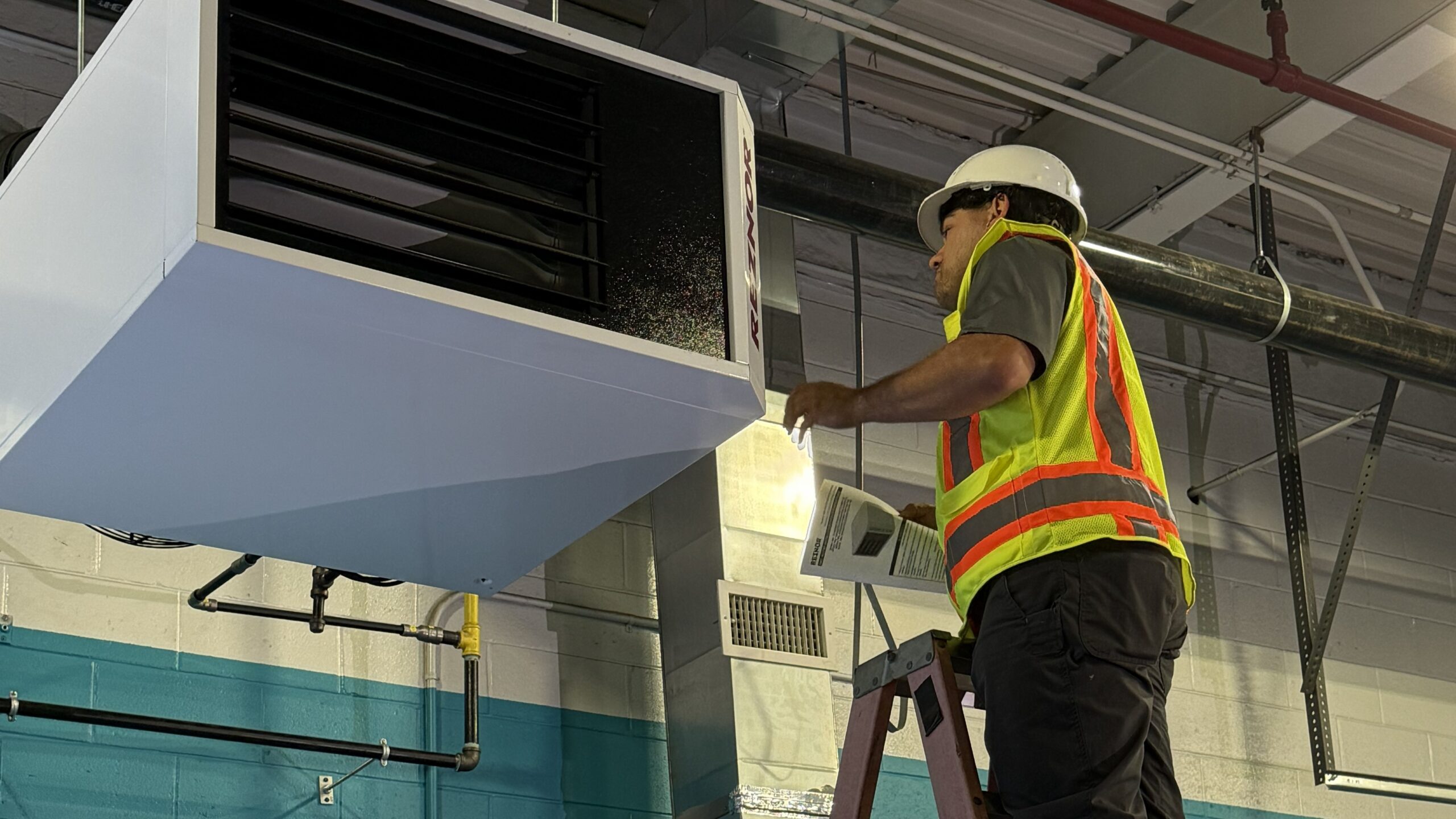
That’s where a measured assessment helps. Commercial systems can involve rooftop units, multiple zones, ventilation needs, controls, business-hour schedules, and larger cooling loads. A technician can inspect the system, review airflow, check controls, and explain what should happen next.
Call sooner if:
- Employees, tenants, customers, or occupants are uncomfortable.
- One area of the facility stays warm.
- Cooling affects operations, storage, equipment, or customer experience.
- The system short cycles or runs without catching up.
- You hear new mechanical or electrical sounds.
- You are planning summer building maintenance or budget approvals.
When should a business repair vs. replace commercial HVAC equipment?
A business should compare repair and replacement when repairs repeat, comfort stays inconsistent, or the system no longer supports the facility’s operating needs.
Repair may make sense when:
- The issue is isolated.
- The system has been maintained.
- Parts are available.
- Comfort improves after service.
- The repair supports near-term business use.
Replacement or upgrade planning may make sense when:
- Repairs are becoming frequent.
- The system struggles in peak heat.
- Utility bills keep rising.
- Building layout, hours, or occupancy have changed.
- Controls, zoning, or ventilation needs have changed.
- The equipment is aging and less reliable.
For commercial teams, this decision affects more than equipment. It can affect budgets, tenant communication, customer experience, downtime windows, and capital planning.
If the building may qualify for an efficiency upgrade, ask whether repair, replacement, or an energy-efficiency pathway should be reviewed together.
What affects commercial HVAC cost in New Jersey?
Commercial HVAC cost depends on system type, building size, equipment access, controls, ductwork, ventilation needs, electrical requirements, and whether the project is maintenance, repair, replacement, retrofit, or installation.
Common cost drivers include:
- Building size and cooling load
- Number of zones or tenant areas
- Rooftop, ceiling, or mechanical-room access
- Equipment age and parts availability
- Controls and scheduling needs
- Ductwork or airflow corrections
- Electrical coordination
- Off-hour work to limit business disruption
- Equipment efficiency
- Utility, NJ Direct Install, or incentive eligibility
In New Jersey, older commercial buildings, retrofit conditions, tight mechanical rooms, storm exposure, and humid summers can all affect planning. Do not assume a price from square footage alone. A site visit helps define the real scope.
Are maintenance agreements, rebates, NJ Direct Install options, or financing available?
Commercial Maintenance Agreements
Princeton Air provides Commercial Maintenance Agreements designed around your facility’s specific needs. Each plan can include scheduled HVAC inspections, system cleaning, and performance tune-ups based on your building usage, equipment, and operational requirements. These tailored maintenance programs help improve system efficiency, support compliance, and lower long-term operating expenses.
Rebates & Incentives
New Jersey businesses can benefit from energy-efficient upgrades through commercial rebates and incentives provided utilities such as:
- PSE&G Commercial Incentives
- Jersey Central Light & Power Commercial Incentives
- Elizabethtown Gas Commercial Incentives
- New Jersey Natural Gas Commercial Incentives
- PECO Commercial Incentives
NJ Direct Install Program
Small and mid-sized businesses throughout New Jersey may be able to reduce utility costs and create a more comfortable indoor environment through the New Jersey Direct Install Program. This state-backed energy efficiency program can cover up to 70% of eligible upgrade costs.
Princeton Air is a participating contractor that guides business owners and facility managers through the process from start to finish. Our team helps determine which improvements qualify, assists with the application, and completes the installation of approved upgrades with professionalism and efficiency. Whether your project involves lighting, HVAC, refrigeration, or building controls, we help you take full advantage of available incentives while limiting interruptions to your daily operations.
Commercial Financing
Princeton Air offers commercial financing that helps commercial customers move forward with important HVAC, plumbing, and energy-efficient upgrades while keeping cash flow in mind. Through our financing partner, PEAC Solutions, businesses can take advantage of convenient funding options designed to support their specific needs and budget.
How can New Jersey businesses prepare before the first heat wave?
New Jersey businesses can prepare by documenting symptoms, scheduling an HVAC inspection, reviewing utility trends, and setting a repair-or-replace decision path before peak cooling demand.
Follow this checklist:
- Walk the facility during occupied hours.
- Note hot spots, weak airflow, humidity, and noise.
- Review recent utility bills.
- Check maintenance records.
- Confirm thermostat schedules.
- Identify tenant, employee, or customer comfort complaints.
- Schedule commercial HVAC service before peak summer demand.
That planning gives your team clearer information. It also helps decision-makers compare maintenance, repair, phased replacement, NJ Direct Install eligibility, or a larger capital plan.
Schedule a commercial HVAC consultation with Princeton Air to review system condition, comfort concerns, and next steps
Frequently Asked Questions
What are the warning signs that a commercial HVAC system needs maintenance?
Commercial HVAC maintenance may be needed when a New Jersey facility has uneven temperatures, weak airflow, rising energy bills, unusual noises, humidity complaints, or long run times. Humid summer weather can make these issues more noticeable. Document where and when symptoms happen before scheduling service.
What can facility teams check before scheduling commercial HVAC service?
Facility teams can safely check thermostat schedules, blocked vents, visible filter condition, comfort complaints, equipment access, and recent utility bill trends before scheduling commercial HVAC service. Do not open electrical panels, handle refrigerant lines, or bypass controls.
When should a business repair or replace commercial HVAC equipment?
A business should compare commercial HVAC repair and replacement when repairs repeat, comfort problems continue, energy use rises, or the system no longer supports the facility’s hours or occupancy. The right path depends on equipment condition, access, controls, and operating needs.
Does Princeton Air provide commercial HVAC service in New Jersey?
Princeton Air provides commercial HVAC services in New Jersey, including commercial HVAC installation, repair and maintenance, and ventilation and indoor air quality.