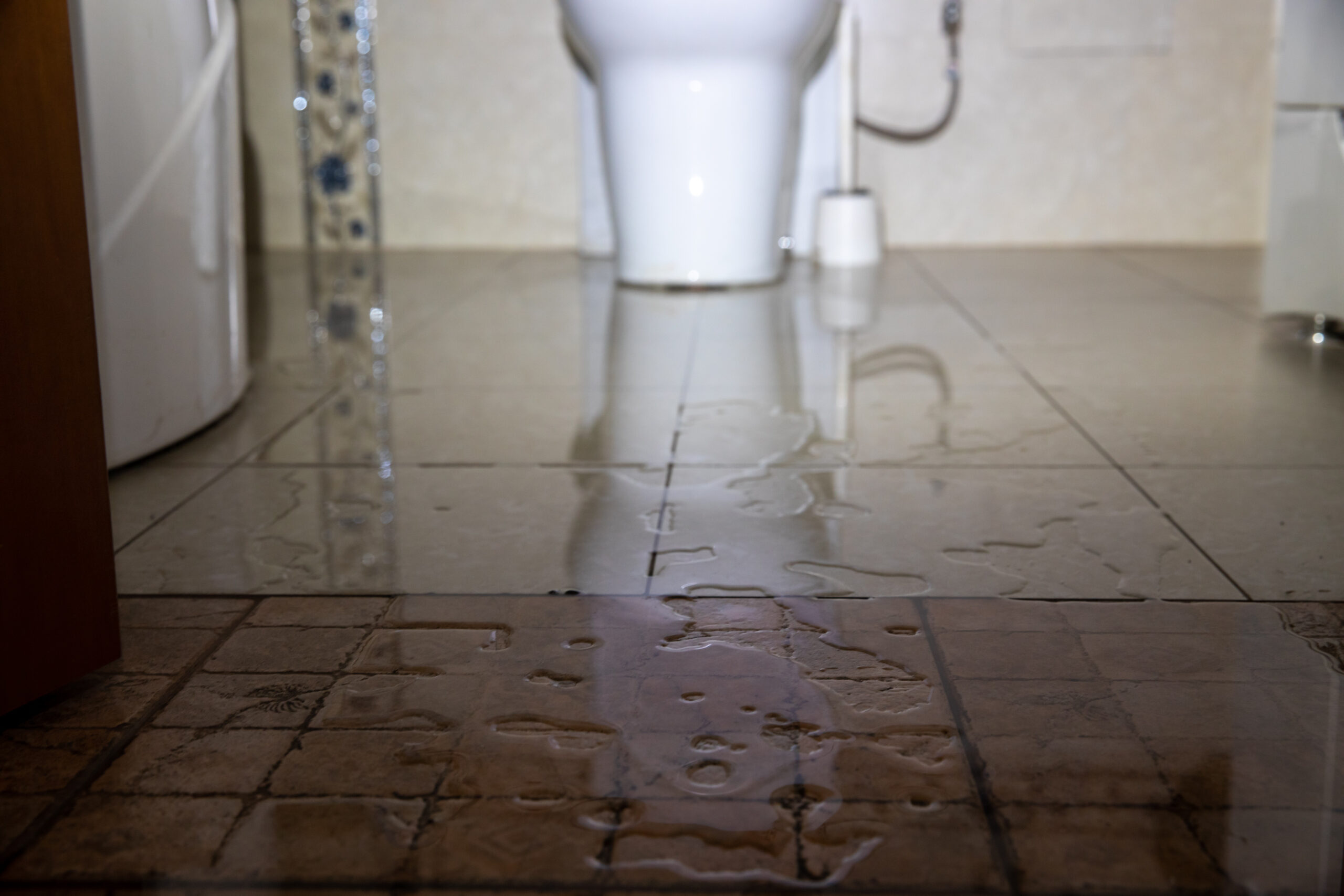
If your water bill is suddenly high, it’s easy to assume rates went up or someone used more water. But a common cause is simpler: hidden plumbing leaks—the kind you don’t see until damage starts.
Start with two quick checks (water meter test and toilet dye test). If they point to a leak—or you can’t pinpoint the source—schedule plumbing leak detection with a licensed pro. The EPA says the average household’s leaks can waste nearly 10,000 gallons of water every year and could add as much as 10% to your water bill.
Princeton Air helps homeowners across New Jersey, with a strong presence in Central NJ communities like Princeton, West Windsor, Hamilton, Montgomery, find hidden water leaks before they become bigger repairs.
Local note: In Central NJ, older homes plus seasonal swings (cold winters, humid summers) can put stress on plumbing joints, valves, and fixtures—especially around basements, crawl spaces, and exterior-wall pipes.
Signs of a Water Leak You Can’t See
A hidden leak rarely starts with a big puddle. More often, you notice small clues:
- Water bill suddenly high with no change in routine.
- Toilet that seems to “run” off and on or you hear water when no one is using it.
- Musty odors, damp cabinet floors, or soft spots near sinks/tubs (kitchens and bathrooms are frequent leak zones).
- Stains on ceilings/walls below bathrooms or laundry areas.
- Water heater area dampness or a relief valve that drips.
If you see active dripping, shut off the nearest fixture valve if you can do so safely. If you can’t control it, use the home’s main shutoff and call a licensed plumber.
Two Fast Checks for Hidden Water Leaks in Your Home
1) Water meter “no-use” test (10 minutes)
The EPA recommends checking your water meter before and after a period when no water is used; if the reading changes, there’s probably a leak.
How to do it:
- Turn off all water use in the house (no laundry, dishwasher, showers).
- Take a picture of the water meter reading.
- Wait 1–2 hours with no water use.
- Check again. If it changed, you likely have a leak.
2) Toilet dye test (the “silent leak” check)
The EPA recommends adding a drop of food coloring to the toilet tank and checking the bowl after 5–10 minutes; if color appears, the toilet is leaking.
Why this matters: toilets can leak quietly for a long time, and you might only notice when the bill climbs.
If your meter test or dye test suggests a leak, Princeton Air can help confirm the source and recommend the right repair.
Common Hidden Plumbing Leaks That Raise Water Bills
Based on EPA WaterSense leak guidance, the most common household leaks include worn toilet flappers, dripping faucets, and leaking showerheads.
In New Jersey homes, we often see hidden leak issues in a few places:
- Toilets (silent tank-to-bowl leaks)
- Faucet supply lines and shutoff valves under sinks (slow drips inside cabinets)
- Tub/shower valves (leaks behind tile or access panels)
- Underground or yard-side leaks between the house and street (hard to spot without detection tools)
Princeton Air’s leak detection services include camera leak detection and underground leak detection tools to locate issues in walls, under floors, or beneath the yard.
Repair vs. replace: what usually makes sense?
This depends on what’s leaking and what condition the plumbing is in.
A repair may be enough when:
- The leak is isolated (one valve, one toilet component, one visible fitting).
Replacement becomes more likely when:
- A pipe section is corroded/damaged or the leak is part of a larger failing run.
- Repeated “patches” have already happened in the same area.
Cost factors in NJ: what drives the price of leak repairs?
Instead of a single number, here are the main drivers that affect cost in NJ for hidden leaks:
- Leak location and accessibility (open basement ceiling vs. behind tile).
- Detection method needed (basic fixture tests vs. camera/underground detection).
- Repair scope (small part replacement vs. pipe section replacement).
- Restoration needs (drywall, cabinet base, flooring—often handled separately).
Practical tip: When comparing estimates, ask what’s included: detection, repair, and any follow-up testing to confirm the leak is resolved.
When to Call a Professional Plumber in New Jersey
Call a licensed plumber if:
- Your meter test suggests a leak and you can’t find it quickly.
- You suspect a leak under floors, behind walls, or in the yard.
- You have recurring leaks or signs of water damage.
Schedule Leak Detection with Princeton Air
If your water bill is high and you suspect hidden plumbing leaks, start with a leak detection visit. Princeton Air can locate the source (including behind walls, under floors, or underground) and recommend the right repair option.
Frequently Asked Questions
What are the most common hidden plumbing leaks in a home?
The most common hidden plumbing leaks in a home include worn toilet flappers, dripping faucets, and leaking showerheads, according to EPA WaterSense. Hidden leaks can also happen in supply lines under sinks, shower valves behind walls, or underground lines—especially when you only notice the problem after a water bill spike.
What are the clearest signs of a water leak?
The clearest signs of a water leak can include a sudden jump in your water bill, the sound of running water when nothing is on, musty odors, damp cabinet floors, or stains on ceilings/walls. EPA WaterSense also recommends confirming a leak with a water meter test and a toilet dye test.
How can I check for hidden water leaks in my home?
You can check for hidden water leaks in your home by following EPA WaterSense steps: check your water meter before and after a period when no water is used—if the reading changes, there’s probably a leak. Then do a toilet dye test (food coloring in the tank; color in the bowl in 5–10 minutes means a leak).
Why is my water bill suddenly high, but I don’t see leaks?
Your water bill may be suddenly high even if you don’t see leaks because hidden leaks often don’t leave obvious puddles. Toilets can leak silently, and valves or pipe joints can drip inside cabinets, walls, or floors. EPA WaterSense notes household leaks can waste nearly 10,000 gallons per year and could add as much as 10% to the bill. If DIY checks suggest a leak but you can’t locate it, professional leak detection can help pinpoint the source.
What happens during plumbing leak detection?
During plumbing leak detection, a licensed plumber uses tools such as camera leak detection and underground leak detection to locate leaks in walls, under floors, or beneath the yard. After the leak is located, the plumber should explain repair options and what access (drywall, tile, or yard work) may be needed to complete the fix.
When should I call a plumber for a suspected leak?
You should call a plumber for a suspected leak if your water meter test suggests a leak and you can’t find the source quickly, if you suspect a leak behind walls/under floors/underground, or if you see signs of water damage. If there’s active leaking you can’t control, use the main shutoff if it’s safe and get help right away.