If your AC keeps shutting off, do not keep forcing it to restart. The issue may be a simple airflow problem, but it can also point to electrical trouble, a failing part, or a system protecting itself from damage.
In New Jersey, this problem often shows up when humid summer weather pushes cooling systems harder. Princeton Air provides air conditioning repair across New Jersey, including emergency AC service when the system stops working at the wrong time.
Why does my AC keep shutting off?
Your AC may keep shutting off because airflow, controls, electrical parts, or system protection controls are interrupting normal operation.
Common causes include:
- A clogged air filter
- Blocked or closed vents
- A thermostat problem
- A dirty coil
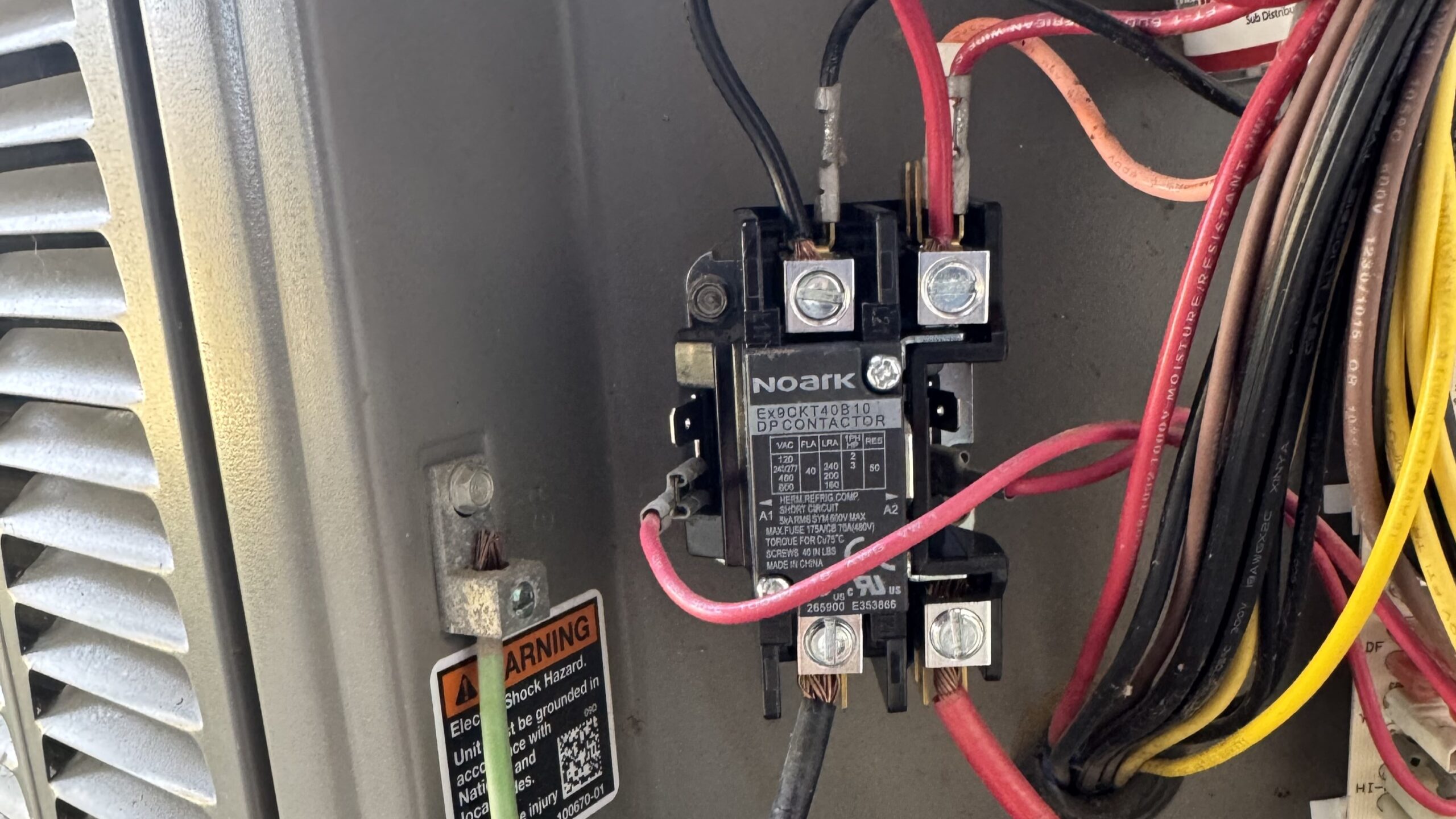
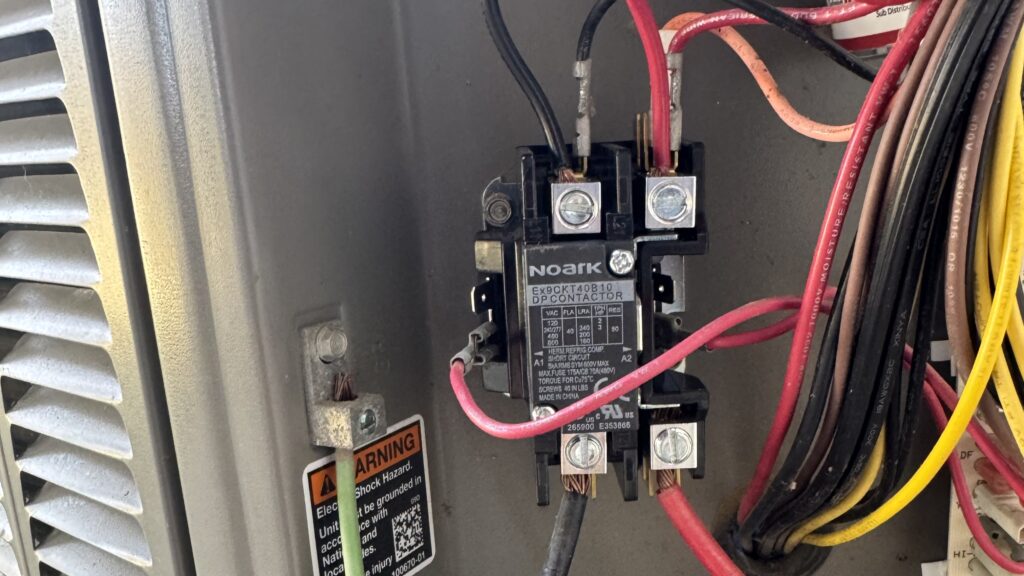
- A failing capacitor or contactor
- A tripped breaker
- A condensate safety switch
- Compressor overheating
- An oversized or aging system that short cycles
Bottom line: short cycling is not something to ignore. When an AC starts, stops, and restarts too often, the system may be under strain.
What electrical problems can shut an AC down?
AC electrical problems can shut a system down when power delivery, safety controls, or start components fail. These are not DIY repair items.
Electrical-related causes may include:
- Tripped breaker
A breaker may trip when the circuit is overloaded or when the equipment draws unsafe current. - Failing capacitor
The capacitor helps start or run key AC motors. When it weakens, the system may hum, struggle, or shut down. - Worn contactor
The contactor helps control power to the outdoor unit. If it fails, the outdoor unit may not run correctly. - Loose or damaged wiring
Wiring problems can create intermittent shutdowns or unsafe operation. - Compressor electrical strain
A compressor that is overheating or drawing excess current may shut down to protect the system. - Condensate safety switch
If the drain line backs up, a safety switch may shut the system down to reduce water damage risk.
Safety note: if your air conditioner is tripping the breaker or smells hot, stop using it and schedule professional service. Repeated resets can make the problem worse.
Is a tripped breaker an AC emergency?
A tripped breaker becomes an AC emergency when it happens more than once, comes with a burning smell, or leaves the home unsafe during high heat. Princeton Air offers 24/7 emergency AC service in New Jersey.
Here’s the safer way to think about it:
- One trip: You may reset the breaker once.
- Second trip: Stop and call for AC repair.
- Burning smell: Turn the system off and call for service.
- Hot electrical panel or buzzing: Stop and seek qualified help.
- No cooling during dangerous heat: Treat it as urgent, especially for vulnerable household members.
Do not tape a breaker, use extension cords, bypass switches, or open sealed electrical compartments. Those steps are unsafe and can create more risk.
What signs mean your AC needs attention?
Your AC needs attention when shutdowns repeat, airflow weakens, or the system shows electrical, moisture, or mechanical symptoms.
Watch for these signs:
- The AC turns on and off every few minutes.
- The thermostat clicks, but the outdoor unit does not start.
- The indoor blower runs, but the air is warm.
- The outdoor unit hums, then stops.
- A breaker trips after the AC starts.
- The system runs longer but cools less.
- Ice appears on refrigerant lines.
- Water collects near the indoor unit.
- The system shuts off before reaching the thermostat setting.
In older New Jersey homes, utility closets, attic systems, and mixed-age electrical panels can make diagnosis more involved. That does not mean replacement is automatic. It means the repair path should be verified carefully.
What can you safely check before calling?
You can safely check the thermostat, filter, vents, breaker, and outdoor unit area before calling. Do not open AC panels or handle electrical parts.
Start here:
- Check the thermostat
Make sure it is set to cool and the temperature is set below the room temperature. - Replace or inspect the filter
Dirty filters can reduce airflow and contribute to AC malfunction. - Check supply and return vents
Make sure vents are open and not blocked by furniture or rugs. - Look at the breaker once
Reset it once if it is tripped. If it trips again, stop. - Look around the outdoor unit
Clear obvious leaves or debris around the cabinet, but do not remove covers. - Check for water near the indoor unit
If water is present, the system may be shutting off through a condensate safety switch.
Explore Princeton Air’s AC maintenance service and maintenance plan options before summer demand rises
Make Maintenance Easier with Princeton Air’s Home Comfort Club
Routine cooling maintenance can help your system operate more efficiently and reduce the chance of an unexpected problem during hot weather.
Through Princeton Air’s Home Comfort Club, members receive pre-scheduled maintenance visits, savings on service work, exclusive membership scheduling, whole-home coverage options, and support when issues arise.
It is a convenient way to stay ahead of care for your air conditioner, heat pump, and other essential home systems while helping protect comfort and equipment performance.
When should you call a professional?
You should call a professional when the AC keeps shutting off after safe checks, trips the breaker twice, makes electrical sounds, smells hot, or fails during high heat.
Call for AC repair if:
- The breaker trips again after one reset.
- The AC will not turn back on.
- The outdoor unit hums but does not start.
- The system shuts down before cooling the home.
- The unit smells like burning plastic or overheated wiring.
- The AC stops during a humid New Jersey heat wave.
- The system has had repeated repairs.
That’s when a licensed HVAC technician should step in. Princeton Air technicians can diagnose cooling problems and provide repair support across New Jersey.
When should you repair vs. replace?
You should repair the AC when the cause is isolated and the system is otherwise reliable. AC replacement becomes worth discussing when shutdowns are frequent, major parts fail, or comfort and efficiency keep declining.
A repair may make sense when:
- The issue is a capacitor, contactor, thermostat, drain switch, or filter-related airflow problem.
- The system has cooled well in recent seasons.
- The equipment is compatible with available parts.
- The repair cost is reasonable for the system’s condition.
A replacement conversation may be appropriate when:
- The compressor has failed.
- Electrical repairs are repeated.
- The system short cycles even after service.
- Cooling is uneven across the home.
- Energy use and comfort complaints keep rising.
- The AC is near the end of its useful service life.
What affects AC repair cost in New Jersey?
AC repair cost in New Jersey depends on the failed part, access, timing, system type, electrical condition, and whether the issue is isolated or connected to broader system wear.
Common cost drivers include:
- Part type: Capacitors, contactors, control boards, motors, and compressors carry different costs.
- Access: Attic units, tight closets, and older layouts may take longer to inspect.
- Electrical condition: Repeated breaker trips may require more diagnostic time.
- System age: Older equipment may have limited parts availability.
- Timing: Emergency service may be priced differently than scheduled service.
- Maintenance history: Dirty filters and coils can contribute to malfunction and strain.
A firm repair price should not be provided before a diagnosis. An inspection visit should identify the cause, explain options, and help you compare repair value against replacement value.
Why does New Jersey context matter?
New Jersey context matters because humid summers, wet springs, and mixed-age housing can expose cooling and electrical weaknesses quickly.
In Mercer, Middlesex, and Somerset counties, homes can range from older houses with tighter equipment spaces to newer homes with different comfort zones. That local mix matters when an AC keeps shutting off. The issue may be a small electrical component, airflow restriction, system age, or how the equipment fits the home.
What should you do next?
If your AC keeps shutting off, complete the safe checks once, stop resetting a tripped breaker, and schedule AC repair if the problem continues.
A clear next step looks like this:
- Check thermostat settings.
- Inspect the filter.
- Confirm vents are open.
- Reset the breaker only once.
- Turn the system off if it smells hot, hums, leaks, or trips again.
- Schedule service with Princeton Air.
Schedule service with Princeton Air and we’ll help you decide the right next step for your home
Frequently Asked Questions
Why does my AC keep shutting off?
An AC that keeps shutting off may have an airflow problem, thermostat issue, electrical fault, drain safety switch, or failing component. Dirty filters and coils can cause air conditioner malfunction and may contribute to premature compressor or fan failure. If the shutdowns continue after safe checks, schedule AC repair.
Is an AC tripping the breaker dangerous?
An AC tripping the breaker can be a safety concern when it happens more than once. Homeowners can reset the breaker once, but repeated trips may point to electrical strain or equipment failure. Stop using the system if it trips again or smells hot, and schedule professional service.
What should I check if my AC is not turning on?
If an AC is not turning on, homeowners can safely check the thermostat, air filter, breaker, vents, and outdoor unit area. Do not open electrical panels or AC cabinet panels. If the breaker trips again or the outdoor unit only hums, call for AC repair.
Can a dirty filter make an air conditioner shut off?
A dirty filter can make an air conditioner shut off by restricting airflow and increasing system strain. The Department of Energy notes that regular maintenance of filters, coils, fins, and refrigerant lines supports efficient and effective AC performance. Replace the filter before assuming the problem is electrical.
Should I repair or replace an AC that keeps shutting off?
Repairing or replacing an AC that keeps shutting off depends on the cause, system age, repair history, and comfort performance. Isolated part failures may be repairable. Repeated electrical issues, compressor failure, or ongoing short cycling may justify a replacement discussion after diagnosis.