There’s no one best heating option for older New Jersey homes, but there’s a best fit for your older home
An older home usually means an older HVAC system. Are you seeing signs that your heating system needs replacement? Homes around Princeton, West Windsor, and Plainsboro are all over the map. Some have plaster walls, tiny wall cavities, stone foundations, funky additions, or ducts from three eras that don’t talk to each other.
That’s why the smartest path isn’t guessing—it’s measuring. A Home Energy Assessment (free for PSE&G customers) tells you how much heat your home actually needs, how your ducts behave, and where air-sealing or insulation will give you the most bang for your buck. Once you know that, choosing equipment becomes way simpler.
How do we find your most efficient path?
The HVAC pros at Princeton Air “test in” before recommending your best heating option. That means checking each room’s heating needs, measuring duct leakage and airflow, and making sure any combustion equipment is operating safely. Then we look at upgrades to the home itself so your new system doesn’t have to work harder than it should. That order of operations protects comfort, keeps noise levels down, and makes New Jersey winters a lot easier to live with. Plus, there are many available rebates for new high-efficiency heating systems.
Option 1: Cold-Climate Heat Pumps (Ducted or Ductless)
Why they’re efficient
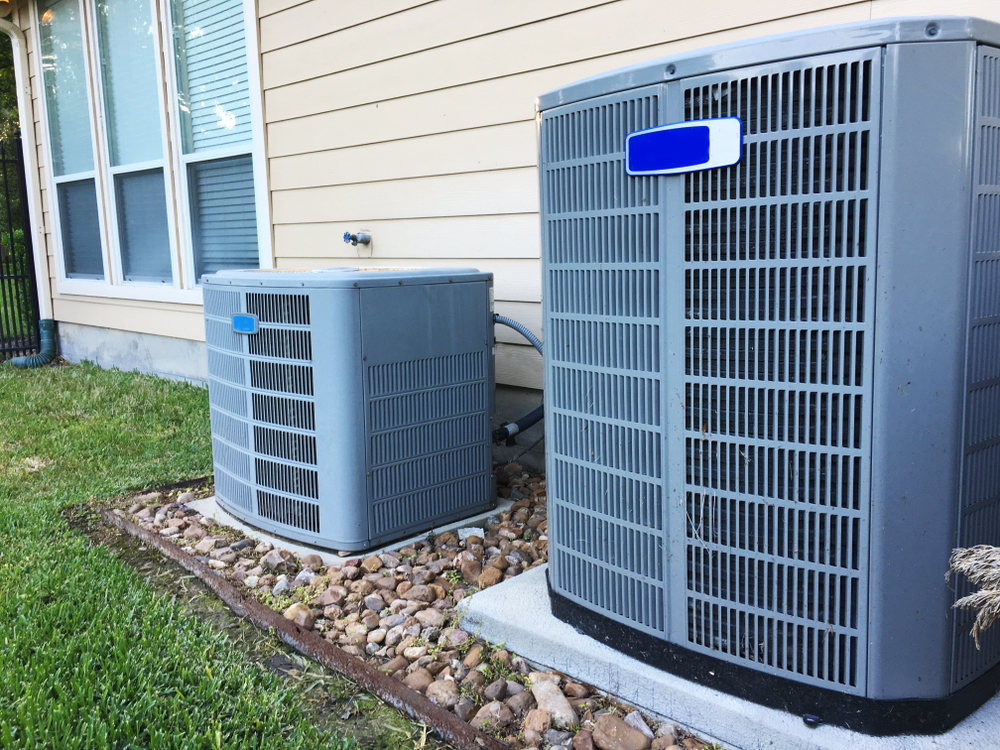
Heat pumps don’t create heat—they move it. Modern cold-climate models stay efficient through most of a NJ winter and double as your cooling system in the summer.
Where they shine in older homes
- Ductless mini-splits are perfect for rooms that never warmed up: finished attics, sunrooms, additions—no wall demolition required.
- Ducted heat pumps work great if your ducts are in decent shape. Seal and balance them and you get quiet, efficient heating and cooling.
- Radiator homes can add a couple ductless heads and keep the boiler as backup—or go with an air-to-water heat pump paired with low-temp radiators for a deeper upgrade.
Things to keep an eye on
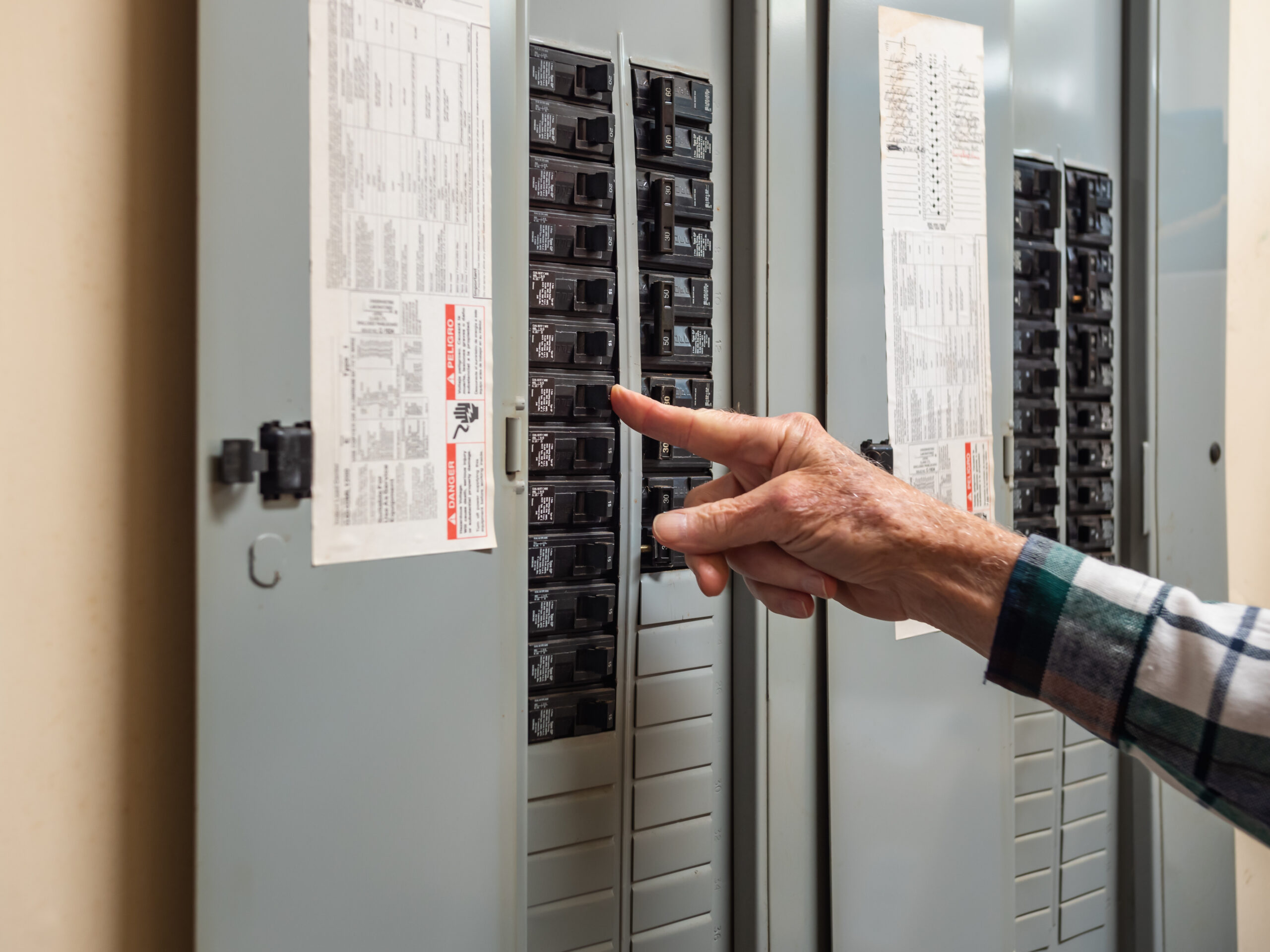
- Electrical panel space, good condensate drainage, and smart outdoor placement for quiet operation.
- Making sure your system is sized for real cold-weather performance—not just “on paper.”
- Air-sealing and insulation first. Otherwise the system is fighting an uphill battle.
Option 2: High-Efficiency Gas Furnace (Condensing)
Why it’s efficient
These furnaces pull extra heat out of the exhaust so you get more warmth from every cubic foot of gas. They work best when ducts are tight and airflow is set correctly.
Where they fit
- Homes that already have gas service and usable ductwork.
- Split levels and two-stories where one central system already reaches most rooms.
- If you like the idea of heat-pump efficiency for most of the winter but want gas for the coldest nights, keep Option 4 (dual-fuel) in mind.
Option 3: High-Efficiency Boiler (Condensing)
Matched with outdoor-reset controls, these boilers run lower water temps when the weather allows. That means better efficiency and that “wrapped-in-a-blanket” radiator comfort older homes are known for.
Where they fit
- Homes with solid radiator or baseboard systems and not much space for ducts.
- Brick or stone homes where adding new ducts would be a renovation nightmare.
Nice add-ons
- An indirect water heater for extremely efficient hot water.
- A small ductless heat pump for cooling or for that one room that always misbehaves.
Option 4: Dual-Fuel (Heat Pump + Furnace)
Why it’s efficient
You run the heat pump during most winter hours—cheap and efficient—then let the gas furnace take over on the coldest nights. Smart controls flip the switch automatically so you stay comfy and costs stay reasonable.
Where it fits
- Homes with both gas service and ducts.
- Homeowners who want to tiptoe toward electrification without giving up deep-winter backup.
Ratings, Comfort & What Really Matters
AFUE (for furnaces/boilers), HSPF2 (for heat pumps), and SEER2 (cooling) give you a baseline—but real performance depends on how well the system is installed, how tight the ducts are, and whether the equipment is sized for your actual home.
And in older homes, nothing beats air-sealing and insulation for sheer impact. Often, those upgrades deliver more efficiency per dollar than any mechanical system.
Your Decision Path
- Assess first. Test the home, the ducts, the safety—get real numbers.
- Fix the shell. Air-seal and insulate where it counts. This can let you install smaller equipment that performs better.
- Choose the best heating option for your older New Jersey home:
- No ducts / radiator home → Condensing boiler or ductless (or both).
- Leaky/undersized ducts → Duct upgrades + ducted heat pump or condensing furnace.
- Want flexibility → Dual-fuel.
- Check rebates and timelines. NJ utilities + federal credits can help a lot. Get everything confirmed in writing.
- Commission & maintain. A proper startup—checking airflow, refrigerant, combustion, and controls—protects your comfort and your investment.
Princeton-Area Older Homes
From Lawrenceville to South Brunswick, we see tight basements, knee-wall attics, and additions from every decade. Most older homes end up with a mix: some targeted insulation, a couple ductless heads for tricky rooms, and a right-sized central system for the main living areas. You don’t have to rip open plaster to get the comfort you want.
Next Step
If you want heat that’s efficient, quiet, and consistent, start with a right-sizing assessment from Princeton Air. Once you know what your home actually needs, choosing the best heating option for your older New Jersey home right becomes easy—and you’ll end up with something that truly fits your home and your goals. Princeton Air will guide you through the process and help keep you warm all winter long.