
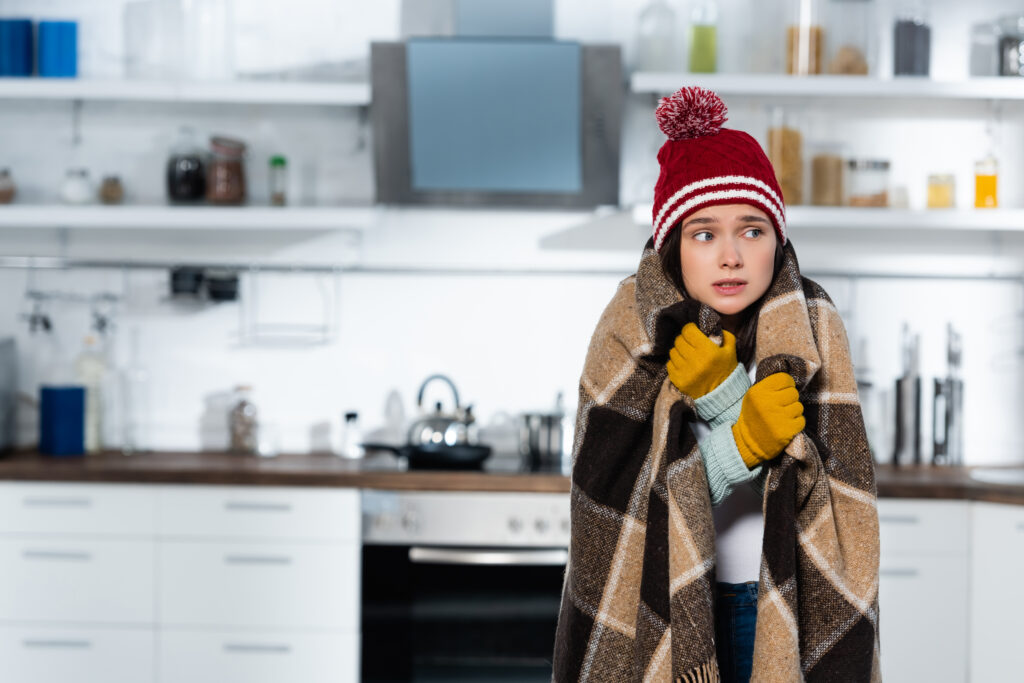
When New Jersey hits its coldest stretch, your furnace not working in winter becomes more than a nuisance—it’s an urgent problem. Most winter no-heat calls come down to airflow, ignition, and venting issues. The good news? Many of these problems can be prevented with simple steps and routine maintenance. Winter’s deep freeze can also affect plumbing, so be sure to check out our guide on how to prevent frozen pipes in NJ homes.
Why do furnaces fail more often in January?
Simple answer: peak cold stress-tests your system.
When your furnace is running longer cycles day after day, weak points show up fast. Dirty filters restrict airflow. Skipped tune-ups leave sensors dirty or out of calibration. And on high-efficiency systems, snow and ice can block sidewall intake or exhaust pipes, forcing the furnace to shut down for safety.
We see this a lot across Central and North Jersey. In places like Princeton, West Windsor, Plainsboro, East Brunswick—and farther north in Bergen County towns like Paramus, Ridgewood, and Hackensack—overnight snowdrifts can easily bury low vent pipes. One good nor’easter and suddenly the furnace locks itself out to prevent a dangerous condition (modern furnaces have built-in safety features that cause them to “lock out” or shut down if they detect an unsafe condition).
Common Furnace Problems in Winter and Why They Happen
When furnaces struggle during extreme cold, it’s usually one (or more) of these:
- Dirty or overdue air filters-A clogged filter makes your furnace work harder than it should. According to ENERGY STAR, clean filters help reduce stress on components and can prevent premature system failure. Learn more in our indoor air quality tips for NJ homes blog.
- Ignition or flame-sensor issues-Dirty flame sensors can cause hard starts, short cycling, or a complete no-start. This is a classic mid-winter failure and something a professional tune-up is designed to catch early.
- Blocked intake or exhaust vents-Snow, ice, leaves, or even drifting mulch can trip pressure switches and shut the system down. Utilities like PSE&G specifically warn homeowners to keep these areas clear—especially after storms.
- Short cycling in extreme cold-When airflow is restricted or sensors aren’t reading properly, the furnace may turn on and off repeatedly, never fully heating your home.
Which issues can cause a full shutdown?
Some problems will stop your furnace completely until a professional resets it. The most common include:
- Blocked combustion air or exhaust piping
- Failed ignition components
- Tripped safety controls
Industry maintenance standards (like ACCA Quality Maintenance) require technicians to verify combustion performance, venting, and safety controls during service—things that can’t be checked without proper instruments.
Why Your Furnace Blows Cold Air During Winter
This one causes a lot of panic calls—and understandably so.
In many cases, the furnace is actually overheating due to poor airflow (often from a dirty filter). When that happens, the burner shuts off while the blower keeps running to cool things down. Maintaining proper airflow also ties into routine heat pump or HVAC maintenance for year-round comfort. Other times, what feels like cold air is just a normal post-purge cycle. Start by checking the filter. If it’s clean and the problem keeps happening, it’s time for a technician to test sensors and combustion settings.
Why Your Furnace Keeps Shutting Off in Winter
Short cycling can be triggered by:
- Restricted airflow
- Dirty flame sensors
- Pressure-switch trips from blocked vents
Homeowners in coastal and snow-belt areas—think Monmouth County, Somerset County, and parts of Union and Essex Counties—often see this after storms. Clearing snow from sidewall pipes and replacing the filter fixes many cases. If not, professional diagnostics are the next step.
Maintenance Tips to Prevent Furnace Failure in Winter
Two things make the biggest difference:
- Routine filter changes
- A professional tune-up before deep cold hits
ENERGY STAR recommends annual pre-season heating checkups, and ACCA Quality Maintenance outlines exactly what a technician should inspect, clean, and document. Translation: fewer surprise breakdowns when it’s 10°F outside.
New Jersey Winter Furnace Checklist
A few simple habits go a long way:
- Check your filter monthly; replace it at least every 3 months
- After snowfalls, clear intake/exhaust pipes and keep the gas meter unobstructed
- Test carbon monoxide alarms regularly
- Call a professional for persistent ignition or heat issues
Does furnace efficiency matter when troubleshooting?
It does. The U.S. Department of Energy explains AFUE as the ratio of annual heat output to fuel used. Higher-efficiency furnaces can save energy—but they’re also more sensitive to airflow, clean sensors, and clear venting. Efficiency doesn’t eliminate maintenance; it just raises the stakes if something’s off.
When should you stop DIY and call a professional?
Stop immediately and call a qualified technician if:
- You smell gas
- Your CO alarm goes off
- The furnace shuts down repeatedly after snow or ice
Venting and combustion checks require specialized tools and training for a reason—this isn’t guess-and-YouTube territory.
Preventing Furnace Problems in Winter
New Jersey winters are tough on heating systems—but most January breakdowns aren’t random. With clean filters, clear vents, and documented maintenance, your furnace is far less likely to quit on the coldest morning of the year. And when it does need help, you’ll know exactly when it’s time to call in the pros at Princeton Air.
Frequently Asked Questions
Why does a furnace stop working during the coldest days of winter?
During extreme cold, furnaces run longer and harder, which exposes issues like dirty air filters, failing sensors, or blocked intake and exhaust vents. In winter, snow and ice buildup can also trigger safety shutoffs on high-efficiency furnaces.
Can snow or ice shut down a high-efficiency furnace?
Yes. High-efficiency furnaces use sidewall intake and exhaust pipes that can become blocked by snow or ice. When airflow is restricted, the furnace shuts down automatically to prevent unsafe operation.
Is it safe to keep resetting a furnace that keeps shutting off?
No. Repeatedly resetting a furnace can hide serious problems such as blocked venting or ignition failure. If a furnace continues to shut off, a professional inspection is recommended to identify and correct the cause.
Why is my furnace blowing cold air in winter?
A furnace may blow cold air if restricted airflow causes the burner to shut off, commonly due to a dirty air filter. In some cases, the system is completing a normal post-purge cycle. Ongoing issues should be evaluated by a technician.
When should I call a professional for furnace repair in winter?
A professional should be called if there is a gas odor, a carbon monoxide alarm sounds, or the furnace shuts down repeatedly. Winter furnace issues involving combustion, venting, or safety controls require specialized tools and training.