
Summer prep is not just about turning on the AC and hoping for the best. In New Jersey, early heat, humidity, and storm-driven power strain can expose weak points in cooling, plumbing, and electrical systems fast. A simple spring check helps you catch small issues before they become a no-cool call, a drain backup, or an overloaded circuit in the middle of a hot week.
Princeton Air serves communities across New Jersey and offers heating, cooling, repair, maintenance, and financing or rebate guidance, which makes this the perfect time to plan service before peak summer demand.
What should New Jersey homeowners check before summer starts?
The best first step is to check the systems that work hardest once heat and humidity settle in. In many established New Jersey neighborhoods, older ductwork, aging air conditioners, and older electrical panels can all show stress sooner than homeowners expect during the first hot stretch.
Start with this practical checklist:
- Replace or inspect the HVAC air filter.
- Clear leaves, mulch, and debris away from the outdoor unit.
- Make sure supply and return vents are open and not blocked by furniture.
- Check for weak airflow, warm supply air, unusual noises, or longer run times.
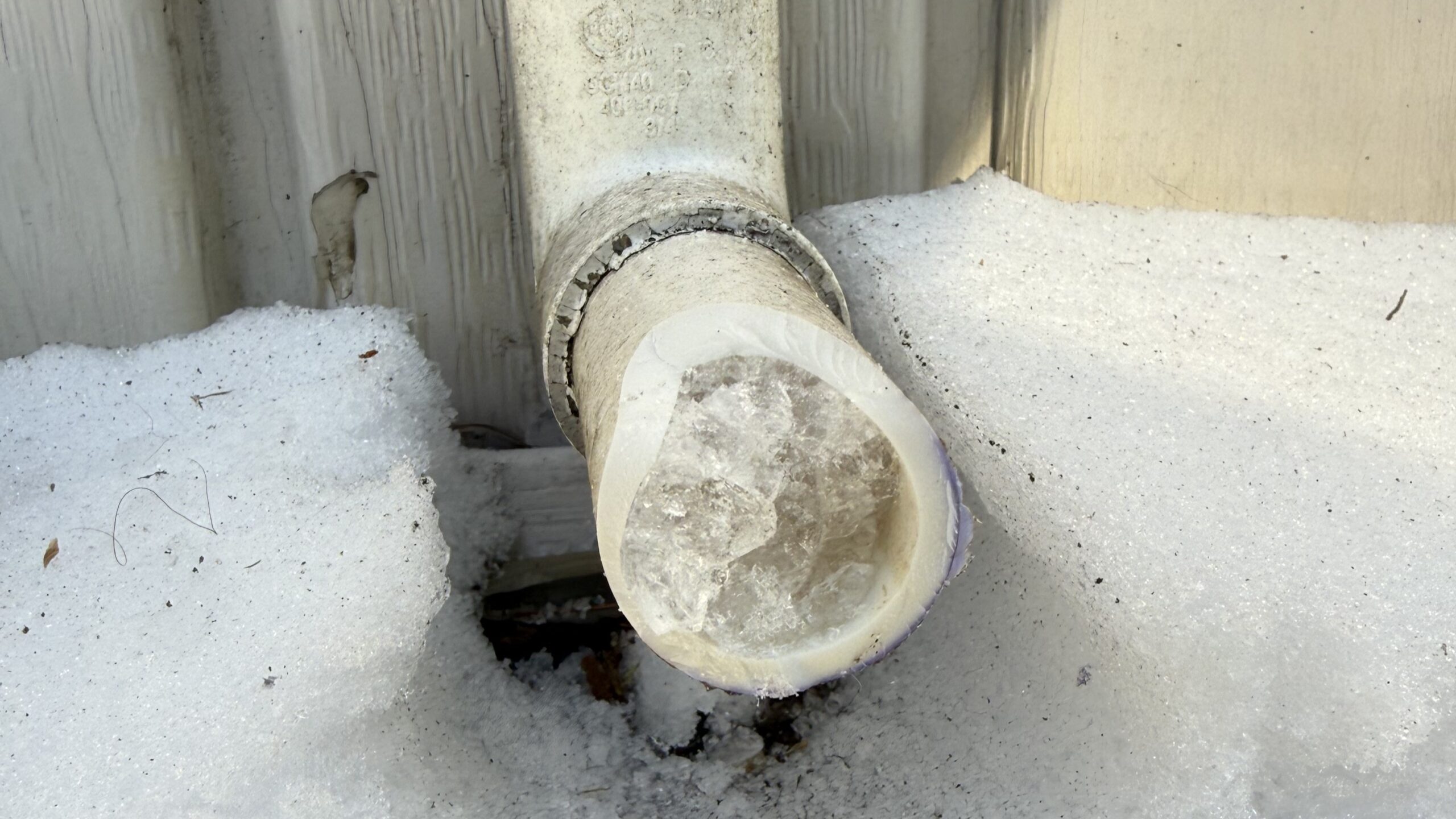
- Look for water around the indoor unit or clogged condensate drainage.
- Inspect outdoor hose bibs, irrigation connections, and visible plumbing for leaks after winter and spring weather.
- Test GFCI outlets, exterior lighting, and any circuits that carry added summer load from dehumidifiers, freezers, or window units.
- Schedule professional maintenance if cooling performance already seems off.
That early check matters because neglected filters, coils, refrigerant conditions, and airflow issues reduce performance and increase energy use.
What signs mean a system needs attention before peak summer?
A system usually gives you a warning before it quits.
For HVAC systems, the most common signs are:
- weak airflow
- uneven temperatures
- humidity that feels harder to control
- unusual sounds
- longer cooling cycles
- an AC that runs but does not cool well
On the plumbing side, summer warning signs often show up as:
- hose bib leaks
- slow drains
- musty smells near drains
- sump pump issues before storm season
- lower-than-usual water pressure
On the electrical side, pay attention to:
- tripping breakers
- warm outlets
- flickering lights when the AC starts
- exterior outlet issues
- overloaded extension-cord use for seasonal equipment
Safety note—warm outlets, repeat breaker trips, and any sign of burning smell are not watch-and-wait issues. Those are reasons to stop using that circuit and have it checked by a licensed professional. Princeton Air offers 24/7 emergency electrical service, as well as emergency HVAC service.
What maintenance does an HVAC system need before summer?
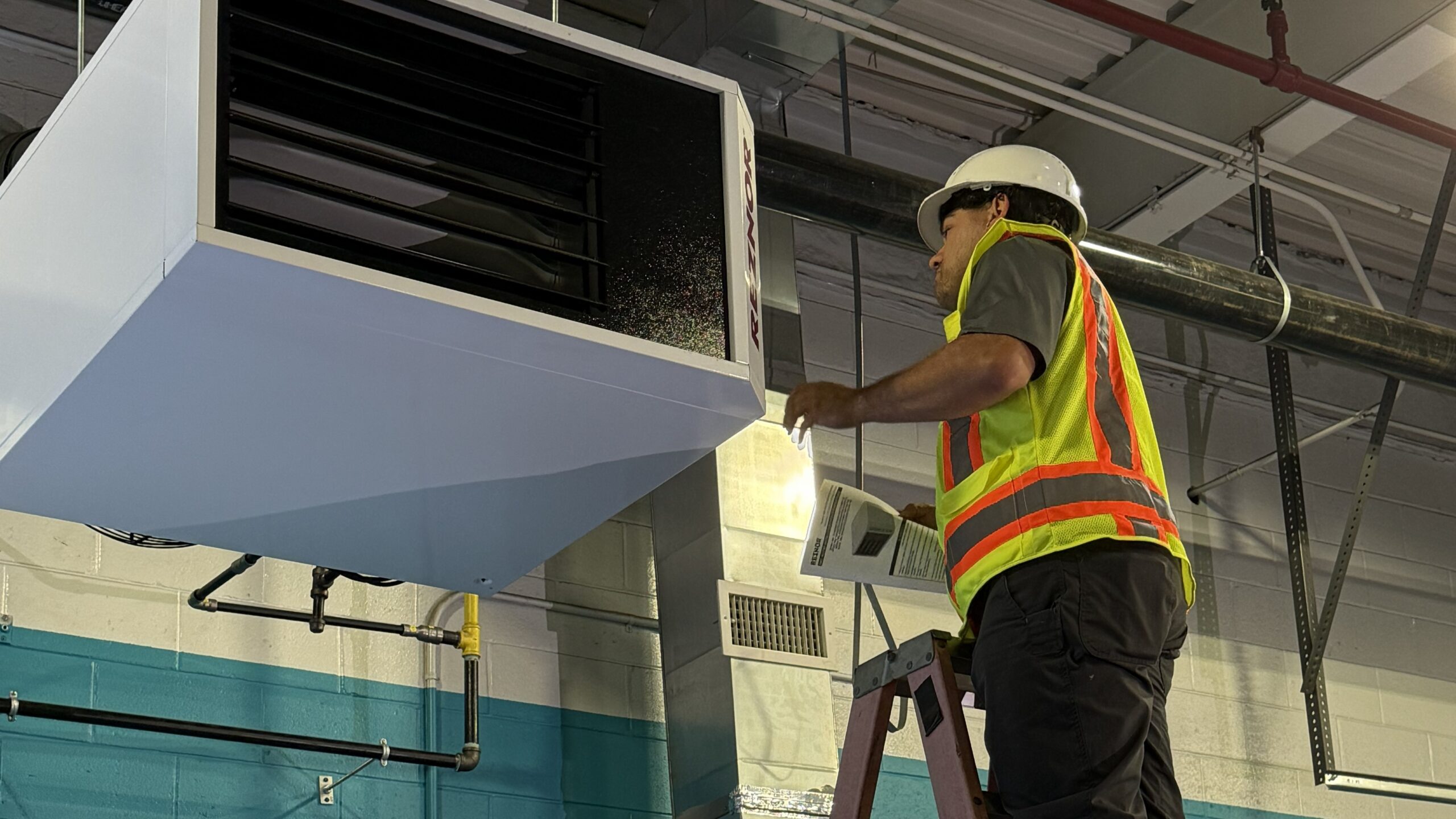
Before summer, an HVAC system should be checked for:
- filter condition
- coil cleanliness
- refrigerant performance
- airflow
- thermostat operation
- electrical connections
- condensate drainage
According to ENERGY STAR, cooling-specific maintenance includes cleaning evaporator and condenser coils and checking refrigerant level.
For homeowners, the safe DIY side is simple:
- change the filter if needed
- keep the outdoor unit clear
- confirm the thermostat is set correctly
- note any new sounds, smells, or performance changes
The pro side is where deeper value shows up:
- refrigerant evaluation
- coil service
- electrical testing
- drain inspection
- airflow diagnosis
- overall cooling performance review
Regular HVAC maintenance helps systems operate at peak efficiency. maximizes system lifespan, and reduces issues, It also results in fewer surprises during the first stretch of humid weather.
What should you check in plumbing before summer heat and storms?
Before summer, plumbing prep should focus on leak checks, drainage, outdoor water use, and any equipment that may see heavier seasonal demand. Even a small hose bib leak or slow drain can turn into a bigger nuisance once outdoor use ramps up.
A practical summer plumbing checklist includes:
- inspect hose bibs and exterior faucets
- test sprinkler or irrigation connections
- look for signs of slow drains
- check sump pump operation if your home relies on one
- inspect under sinks for small leaks
- watch for signs of water heater stress if your system is older
Summer comfort depends on more than the AC. Water issues and storm-season drainage problems can interrupt that comfort fast.
What should you check on the electrical side before summer?
Before summer, electrical prep should focus on load, safety, and outdoor readiness. Air conditioning, dehumidifiers, refrigerators, freezers, and outdoor equipment can all raise demand at once.
A practical pre-summer electrical list includes:
- test GFCI outlets, especially outside and near water
- make sure exterior lights are working
- stop relying on long-term extension cords for added summer load
- watch for dimming lights or breaker trips when the AC starts
- note any buzzing, heat, or looseness at outlets and switches
Bottom line—if the AC startup seems to affect other circuits, that can point to a bigger issue than the thermostat alone.
What affects cost in New Jersey if service or replacement is needed?
The cost depends on the scope of the work, the age and condition of the equipment, efficiency level, electrical requirements, duct or airflow issues, and whether the job is repair, maintenance, or full replacement.
For replacement projects, pricing can also shift based on:
- system size and right-sizing needs
- refrigerant or coil condition
- thermostat and control upgrades
- duct modifications
- electrical panel or dedicated-circuit work
- access challenges in older homes
Because New Jersey homes vary so much, especially in long-established neighborhoods, a right-sizing visit is more useful than a generic online estimate number.
Should you repair or replace before summer?
You should repair when the issue is isolated and the system is otherwise performing well.
You should consider replacement when the system is unreliable, inefficient, or showing repeat issues that keep stacking up.
A few common replacement flags are:
- repeated repair calls
- weak comfort even after service
- higher operating cost tied to poor performance
- system age combined with major component problems
- comfort issues tied to sizing or airflow, not one single repair
Princeton Air offers both repair and replacement support for heating and cooling systems in New Jersey, so the decision does not need to be rushed into one path.
Are there efficiency upgrades, savings opportunities, or rebates to consider?
To support New Jersey’s clean energy goals, New Jersey’s Clean Energy Program and state electric and gas utilities offer various rebates and incentives for homeowners. Among the many utilities that offer HVAC incentives are PSE&G, JCP&L, and Elizabethtown Gas, Eligibility, timing, equipment match, and utility territory all matter, so homeowners should confirm current program rules.
Schedule a consultation with Princeton Air to learn what rebate and incentives are available for your specific project.
When should you call a professional in New Jersey?
You should call a professional before summer if your system is not cooling properly, airflow is weak, humidity feels high indoors, breakers trip when cooling equipment starts, or you notice leaks, unusual sounds, or repeated comfort issues. Regardless of any apparent issues, seasonal maintenance is recommended before heavy cooling use.
In short, summer prep is really about reducing uncertainty. A few checks now can make the first hot week feel routine instead of stressful.
Frequently Asked Questions
How long does an HVAC system last in New Jersey?
HVAC system lifespan in New Jersey depends on equipment type, maintenance history, installation quality, and how hard the system works through the state’s seasonal swings. Regular maintenance helps systems operate more efficiently and can support longer service life, while neglected filters, coils, and airflow problems can reduce performance over time.
What maintenance does an HVAC system need before summer?
Before summer, an HVAC system should be checked for filter condition, airflow, coil cleanliness, condensate drainage, thermostat operation, and overall cooling performance. ENERGY STAR recommends seasonal AC maintenance before heavy cooling use, especially when homeowners notice weak airflow or longer run times.
Are rebates available in New Jersey for HVAC upgrades?
Rebates may be available in New Jersey for eligible HVAC upgrades, but the exact options depend on utility territory, equipment type, efficiency requirements, and current program rules. New Jersey’s Clean Energy Program is a great resource for qualifying heating and cooling incentives. Confirm current eligibility before making a purchase decision.
What are the warning signs an AC needs repair before summer?
Warning signs that an AC may need repair before summer include weak airflow, warm supply air, longer cooling cycles, high indoor humidity, unusual noises, and repeat comfort issues.
When should a New Jersey homeowner call a professional before summer?
A New Jersey homeowner should call a professional before summer when cooling performance drops, humidity stays high, breakers trip, leaks appear, or the system starts showing repeat warning signs. Seasonal maintenance is the right time to catch issues before peak summer demand raises the stakes.