Late winter in New Jersey can be a tease. A few warmer days roll in, snow starts melting, and suddenly it feels like spring is right around the corner. But while homeowners are dreaming about open windows and lighter jackets, basements are facing a much messier reality.
Between melting snow, frozen ground thawing, and steady rain showers, groundwater levels rise fast. That’s when basement flooding becomes a real risk and you’ll be wondering if your sump pump is ready for spring. If you have a sump pump, now is the time it needs to perform. If you don’t, you may be relying on luck more than you think.
So let’s break it down: what a sump pump does, why it matters in New Jersey, and how to get your sump pump ready for spring.
What Does a Sump Pump Do?
A sump pump is your basement’s last line of defense against flooding.
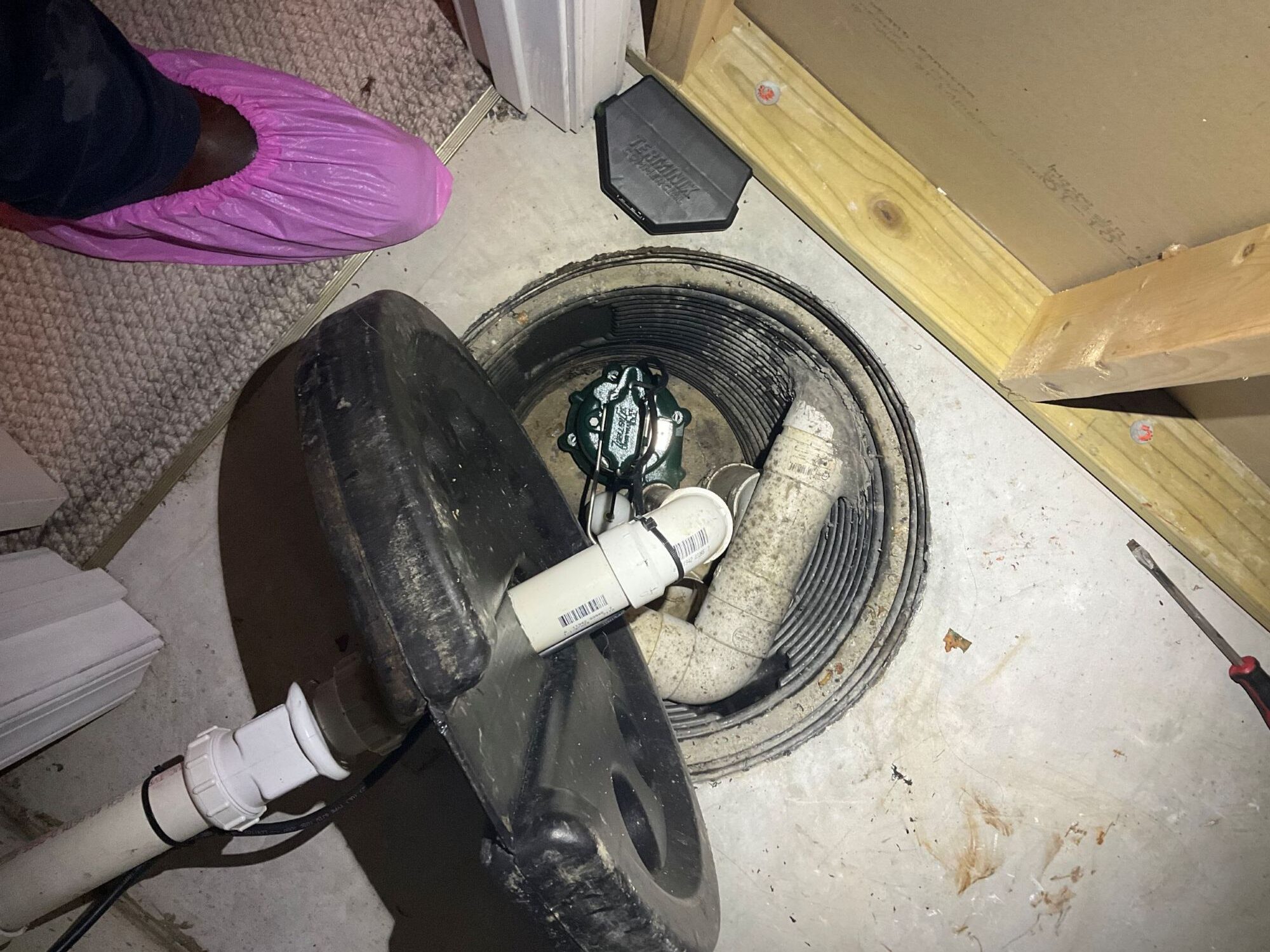
It works by collecting excess groundwater that seeps into your basement and pumping it safely away from your home’s foundation—typically 5 to 15 feet away—so it doesn’t cycle right back in.
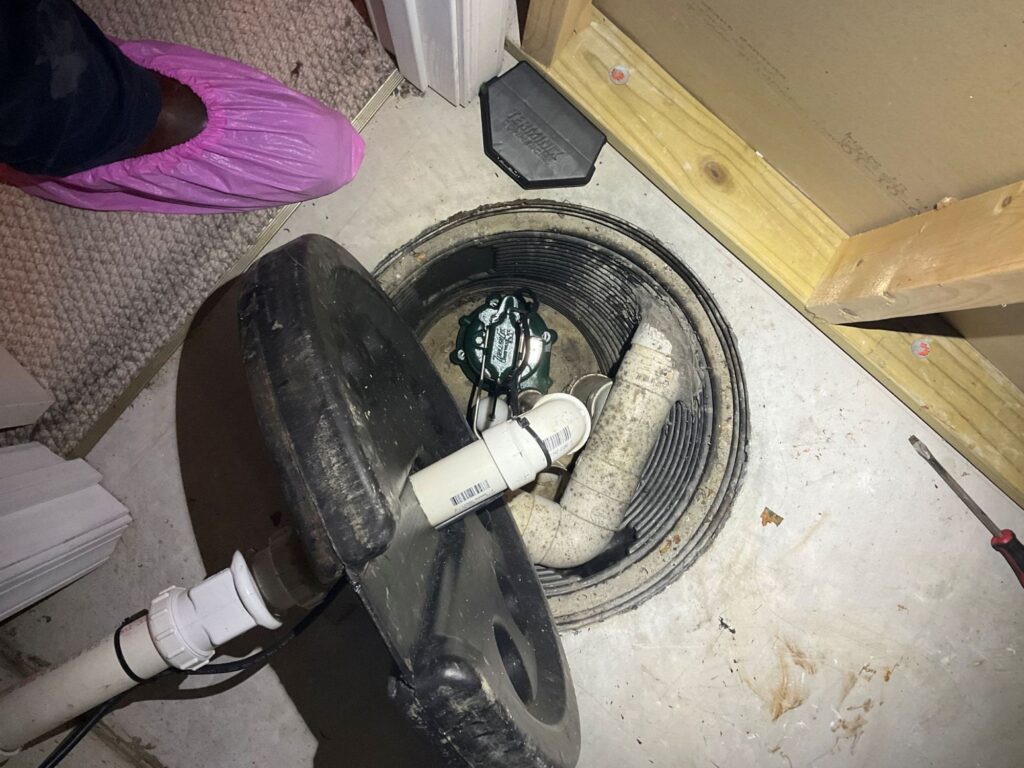
Most sump pumps sit in a sump pit, usually about 2 feet deep and roughly 18 inches wide, located at the lowest point of the basement.
As water fills the pit, a float switch or pressure sensor activates the pump automatically. Once the water level drops, the pump shuts off.
This entire process helps prevent flooding, foundation damage, and costly repairs.
There’s also a small but mighty component many homeowners overlook: the check valve. This prevents discharged water from flowing back into the pit after the pump shuts off. If the check valve fails, your sump pump may end up fighting the same water over and over again—and losing.
If you’re in need of sump installation, repair, or preventative maintenance, Princeton Air does it all.
There’s also a small but mighty component many homeowners overlook: the check valve. This prevents discharged water from flowing back into the pit after the pump shuts off. If the check valve fails, your sump pump may end up fighting the same water over and over again—and losing.
Why Sump Pumps Matter So Much in New Jersey
New Jersey homes are especially vulnerable to basement moisture and flooding thanks to heavy spring rain, melting snow and ice, high water tables, and older foundations common throughout the state. That’s why it’s so important to get your sump pump ready for spring.
A properly working sump pump can help:
- Protect your home’s foundation from erosion and cracking
- Prevent water damage to basement walls, floors, and baseboards
- Reduce the risk of mold, mildew, and musty odors
- Keep basement humidity levels lower, improving indoor air quality
- Protect appliances like washers, dryers, and water heaters
- Deter insects and termites that thrive in damp environments
Water issues don’t stop at visible flooding—ongoing moisture can cause long-term air quality and health concerns.
In short: a sump pump doesn’t just protect your basement—it protects your investment.
When Should You Replace a Sump Pump?
Most sump pumps last 7–10 years, depending on usage, water volume, and maintenance. If your pump is older, has been running hard during storms, or hasn’t been inspected recently, late winter is a smart time to take a closer look and consider a replacement.
Signs It May Be Time to Replace Your Sump Pump
Pay attention to these red flags:
- The pump runs constantly or cycles on and off without stopping
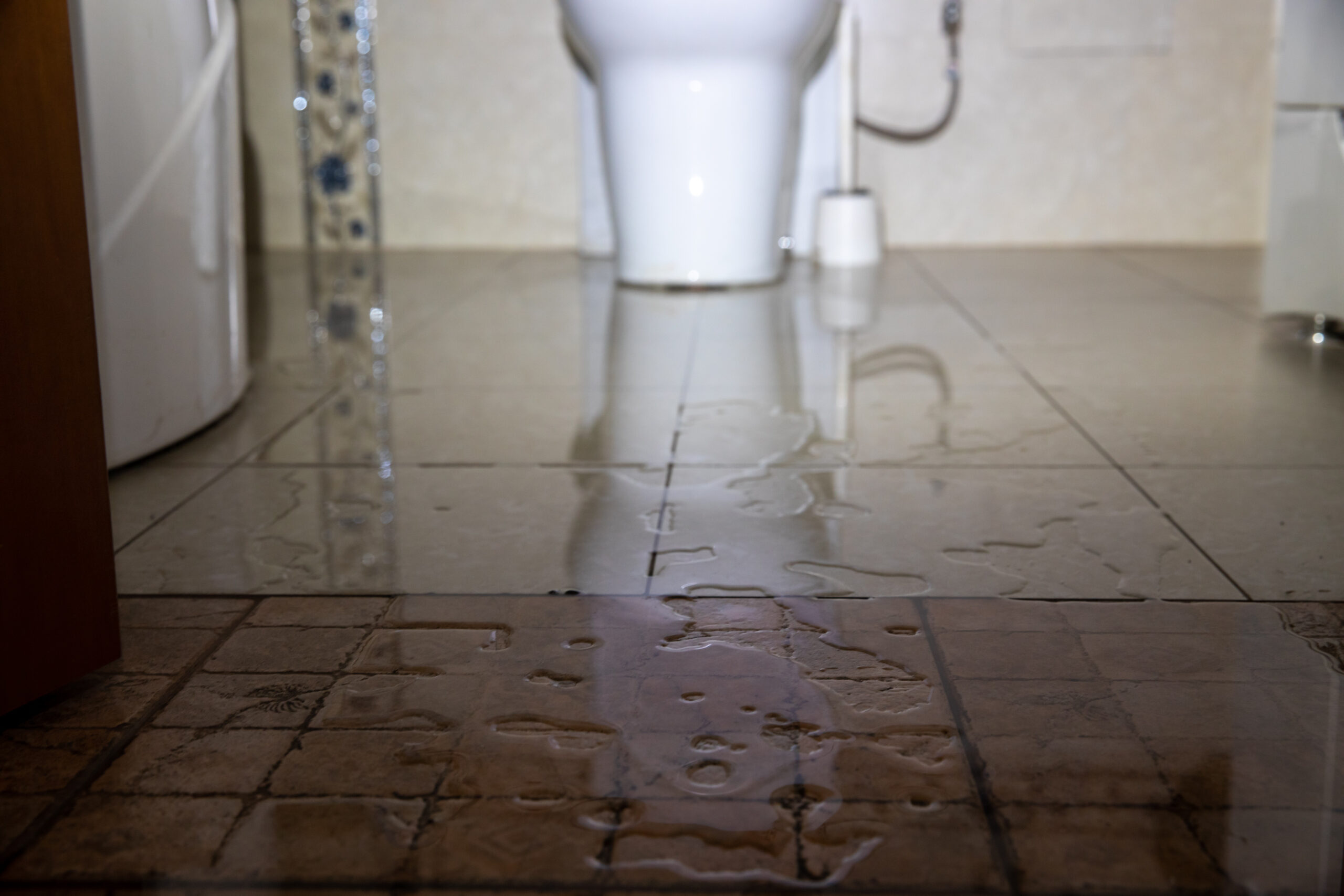
- You notice water pooling or flooding in the basement
- Grinding, rattling, or unusual motor noises
- The pump doesn’t turn on at all during heavy rain
- Visible rust, corrosion, or debris buildup in the sump pit
If you’re noticing one or more of these warning signs, a professional inspection can help prevent sudden failure and emergency water damage.
Don’t Forget the Power Factor
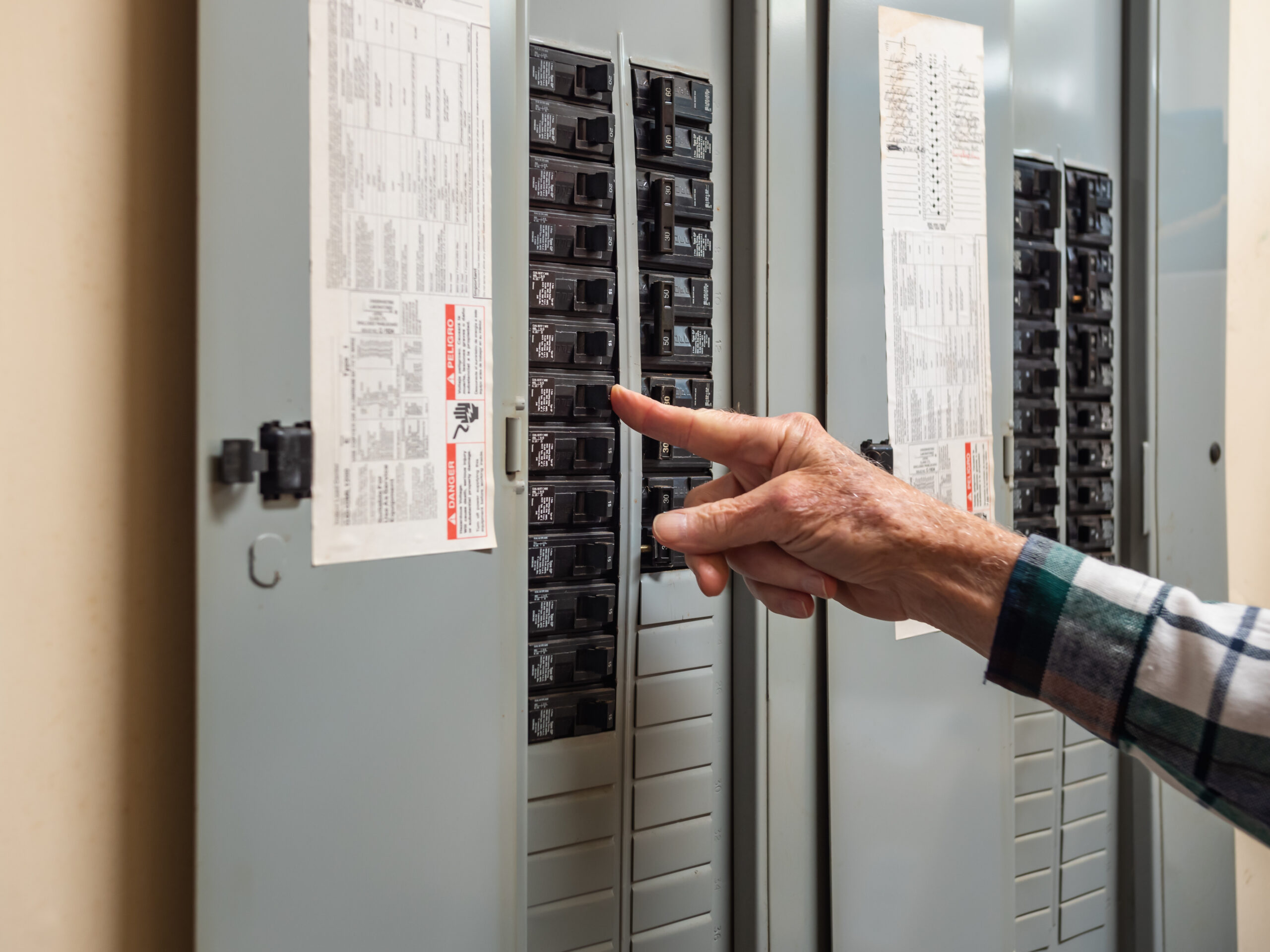
Here’s something many homeowners don’t realize until it’s too late: most sump pumps rely on electricity. That means during storms—when power outages are more likely—your sump pump may not work unless you have a battery backup system or generator. Backup power options can make the difference between a dry basement and a flooded one during severe weather.
At Princeton Air, we help homeowners evaluate backup options and handle both the plumbing and electrical side of sump pump systems, so nothing gets overlooked.
Need Help with Your Sump Pump?
Whether you need a new sump pump installed, a replacement, a backup system, or just peace of mind before spring hits, Princeton Air has you covered.
We provide full plumbing, electrical, and home comfort services across New Jersey, and we know exactly what local homes are up against when winter gives way to spring. A quick inspection now can help you avoid a very wet surprise later.
Frequently Asked Questions
How do I know if my sump pump is ready for spring?
To know if your sump pump is ready for spring, test it by pouring water into the sump pit and confirming it turns on, pumps water out efficiently, and shuts off properly. You should also check the discharge line for blockages and listen for unusual noises that could signal wear or failure.
When should a sump pump be inspected?
A sump pump should be inspected at least once a year, ideally in late winter or early spring before heavy rain and snowmelt begin. Homes in New Jersey with high groundwater or a history of basement flooding may benefit from more frequent inspections.
How long does a sump pump usually last?
Most sump pumps last between 7 and 10 years, depending on usage, maintenance, and water conditions. If your sump pump runs frequently, shows signs of corrosion, or struggles during heavy rain, it may be time for a replacement.
What are common signs a sump pump is failing?
Common signs of sump pump failure include constant running, strange grinding or rattling noises, failure to turn on, visible rust, or water backing up into the basement. Any of these issues should be addressed before spring storms arrive.
Can a sump pump prevent basement flooding completely?
A sump pump significantly reduces the risk of basement flooding, but it works best when properly sized, maintained, and paired with a functioning discharge line and check valve. Backup sump pumps and battery systems provide additional protection during power outages.
What happens if my sump pump stops working during heavy rain?
If a sump pump fails during heavy rain, groundwater can quickly accumulate and cause basement flooding, water damage, and mold growth. In these situations, emergency plumbing service may be needed to repair or replace the pump as soon as possible.
Do I need a backup sump pump?
A backup sump pump is recommended for homes that experience frequent storms, power outages, or high water tables. Battery-powered or water-powered backup systems help keep your basement protected if your primary pump fails.
Who should I call for sump pump service in New Jersey?
For sump pump inspection, repair, or replacement in New Jersey, homeowners should contact a licensed plumbing professional with experience handling spring flooding risks. Princeton Air offers expert sump pump services to help keep basements dry and protected.
Is sump pump maintenance part of regular plumbing service?
Yes, sump pump maintenance is a key part of professional plumbing services. Routine maintenance helps identify issues early, extends the life of the pump, and ensures your system is ready before peak spring rainfall.