When your air conditioner stops cooling during a New Jersey summer, the first question is simple: is this a quick check or an emergency AC repair call? If the system creates a safety concern, stops cooling during high heat, trips breakers, leaks heavily, freezes over, or smells electrical, call an HVAC technician immediately.
Princeton Air provides air conditioning services across New Jersey, including emergency AC repair support and AC maintenance. The goal is not to panic. The goal is to know what is safe to check and when professional diagnosis is the right move.
What signs mean your AC needs immediate attention?
Your AC needs immediate attention when the problem involves safety, electrical behavior, severe cooling loss, or active water damage.
Call for emergency air conditioning repair if you notice:
- No cooling during extreme heat. This matters for homes with infants, older adults, health concerns, or poor ventilation.
- Burning or electrical smells. Turn the system off and avoid repeated restarts.
- Breaker trips more than once. A repeated trip can point to an electrical or equipment issue.
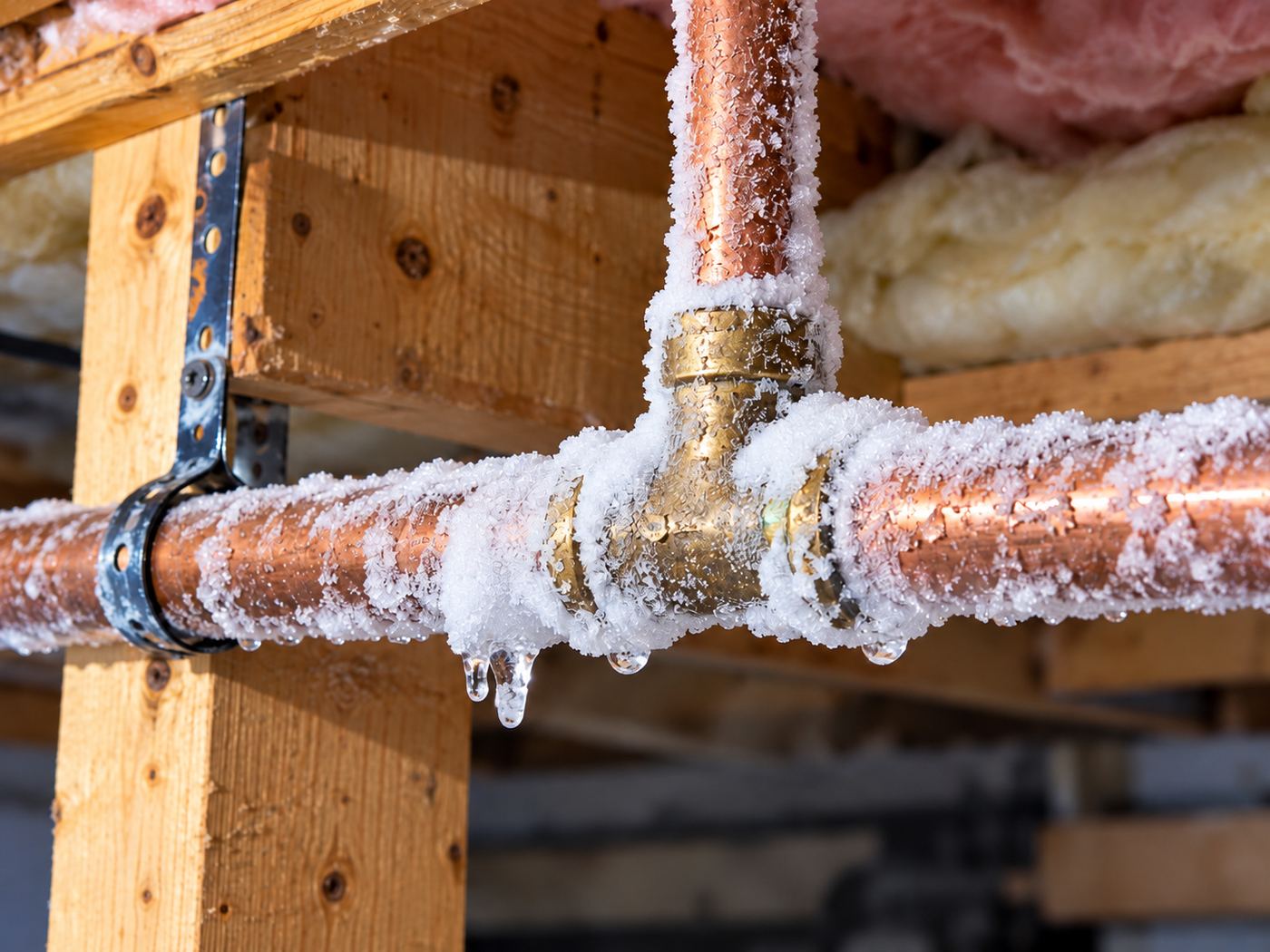
- Ice on refrigerant lines or coils. Ice can signal airflow or refrigerant problems.
- Water leaking near ceilings, walls, or finished areas. AC condensate problems can damage surfaces if ignored.
- Loud grinding, banging, or screeching. These sounds can point to motor, blower, or compressor problems.
- Weak airflow with warm air. Dirty filters, coil issues, blower problems, or duct restrictions can reduce performance.
If your AC problem feel unsafe, is getting worse, or is affecting livability, schedule service today
What can you safely check before calling?
You can safely check the thermostat, filter, breaker, vents, and outdoor unit area before calling. Do not open sealed electrical panels, handle refrigerant, or keep resetting a tripped breaker.
Try these safe checks:
- Check the thermostat. Make sure it is set to cooling and the temperature is below room temperature.
- Replace or inspect the air filter. A clogged filter can restrict airflow and reduce cooling performance.
- Look at the breaker once. If it trips again after reset, stop and call a technician.
- Confirm vents are open. Closed or blocked vents can reduce airflow.
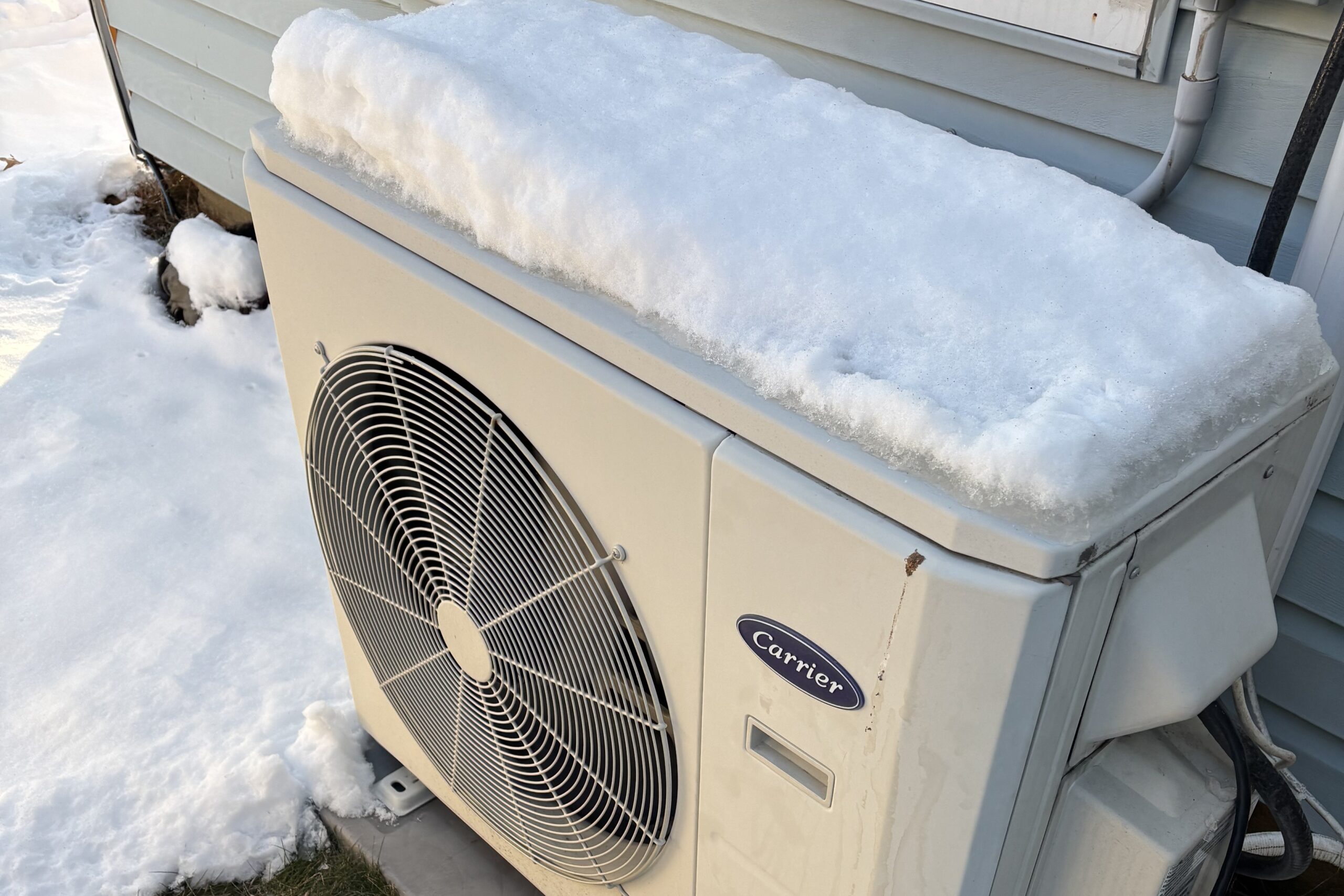
- Look around the outdoor unit. Clear obvious leaves or debris around the unit without removing panels.
- Check for ice. If lines or coils are frozen, turn cooling off and call for service.
Safety note: do not add refrigerant, bypass switches, or keep restarting a system that smells hot or trips power. Refrigerant level and electrical controls should be checked during professional service.
When should you call for emergency AC repair?
You should call for emergency AC repair when safe checks do not restore cooling or when the system shows electrical, refrigerant, water, or mechanical warning signs.
A same-day AC repair call is usually the right next step when:
- The AC will not turn on after thermostat and breaker checks.
- The system runs but only blows warm air.
- The outdoor unit will not start.
- The indoor unit runs but airflow is weak.
- Water is pooling near the air handler.
- A burning odor appears when cooling starts.
- The system keeps short cycling.
- The home is not safe or comfortable without cooling.
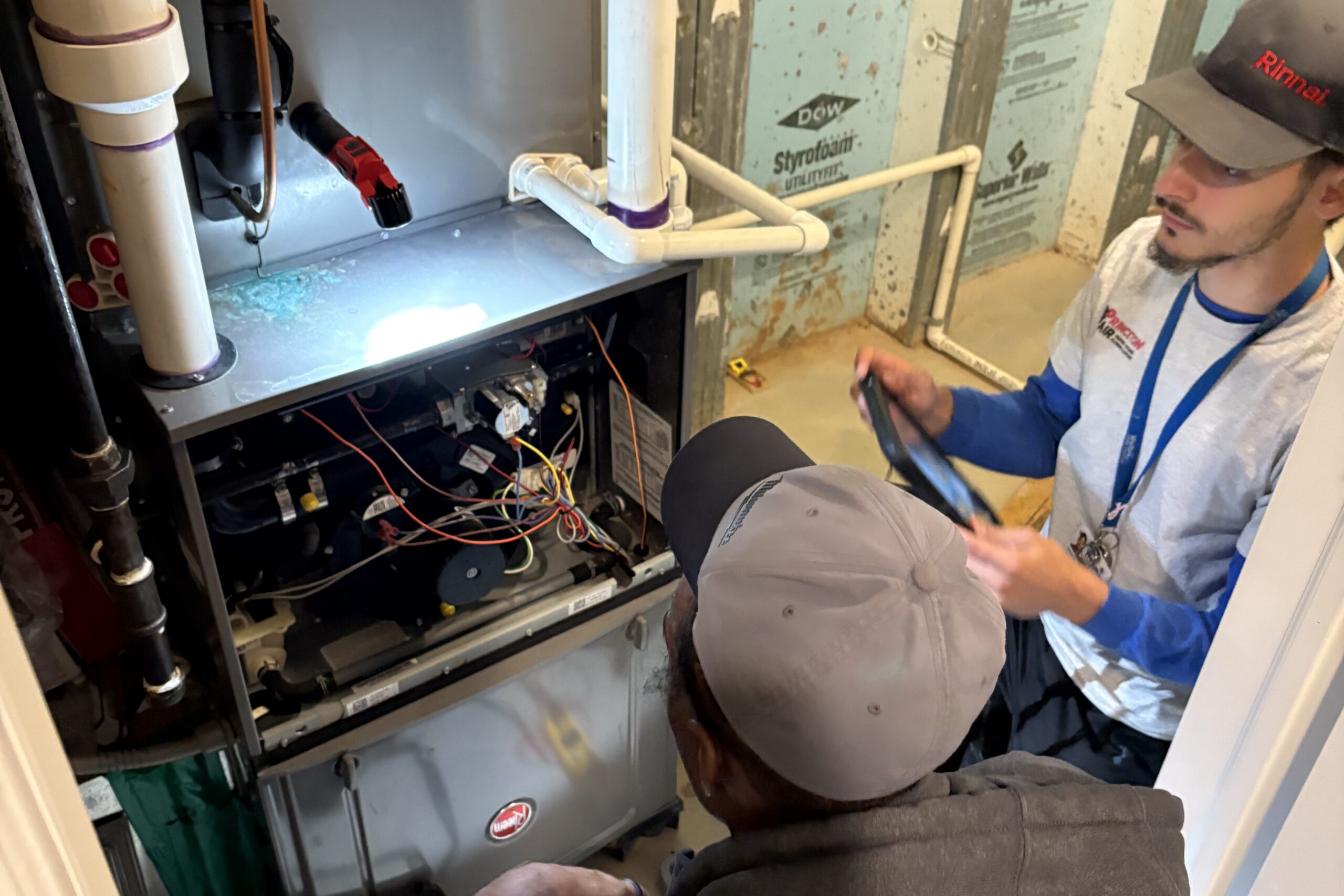
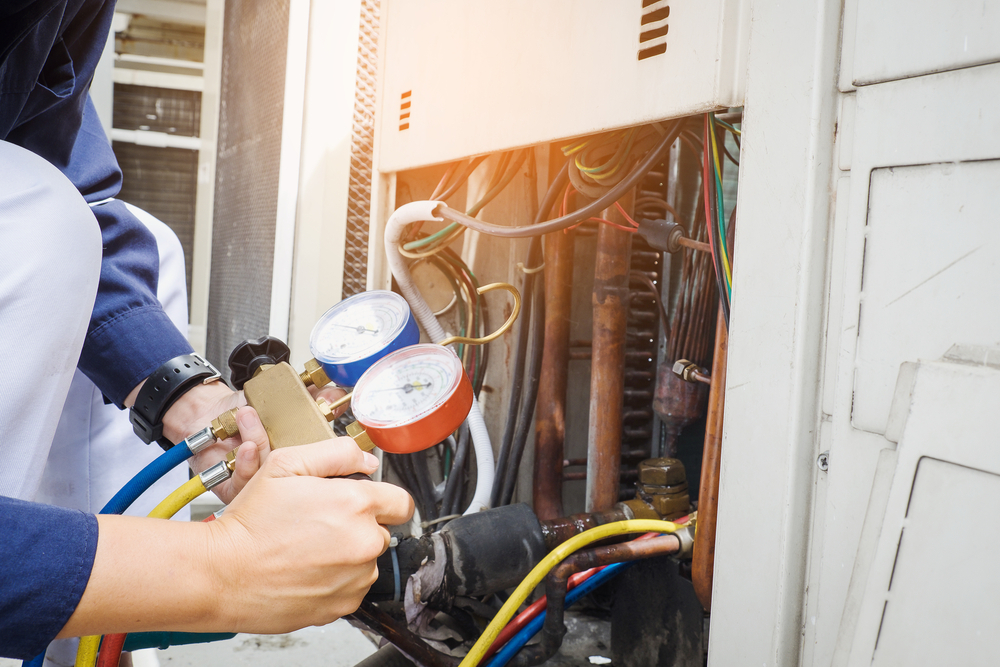
That’s where a pro comes in. A technician can test electrical components, inspect refrigerant-related symptoms, assess airflow, and determine whether the issue is isolated or part of a larger system problem.
When should you repair vs. replace?
You should repair the AC when the problem is isolated and the system still has useful service life. Replacement becomes worth discussing when repairs are frequent, major components fail, or efficiency and comfort keep declining. This should be based on inspection, not guesswork.
A repair may fit when:
- The issue is a capacitor, contactor, clogged drain, thermostat, or minor airflow problem.
- The equipment has otherwise cooled reliably.
- The repair cost is reasonable compared with replacement.
- The home is comfortable when the system works properly.
Replacement may be worth reviewing when:
- The compressor or coil has failed.
- Refrigerant-related repairs are significant.
- Breakdowns are becoming routine.
- The system struggles through New Jersey humidity even after service.
- The home has hot and cold spots that point to sizing, duct, or design issues.
What affects HVAC repair cost in New Jersey?
Emergency AC repair cost in New Jersey depends on the problem, parts, access, timing, system type, and whether the issue involves electrical, refrigerant, drainage, or major mechanical components. Exact pricing should come from diagnosis, not a blanket estimate.
Common cost drivers include:
- Part type: Minor electrical parts usually differ from compressor or coil work.
- System type: Central AC, heat pump, ductless, or packaged equipment can change the repair path.
- Access: Attics, tight utility closets, and older home layouts can add labor time.
- Timing: Emergency or after-hours service may be priced differently than standard visits.
- Condition: Dirty coils, poor airflow, or neglected maintenance can make diagnosis more involved.
- Repair vs. replacement decision: Major repairs may lead to a broader comfort and efficiency review.
New Jersey homes range from older houses in established communities to newer developments in areas such as Princeton Junction and Somerset County. That mix can affect airflow, duct design, equipment access, and comfort expectations.
Why does New Jersey context matter?
New Jersey context matters because humid summers, wet springs, cold winters, and mixed-age housing can all affect cooling performance.
A system that barely cooled last August may struggle sooner when humidity arrives again. In older New Jersey homes, airflow problems can feel sharper in upstairs bedrooms, finished attics, or additions. In newer homes, comfort issues may show up as control, zoning, or sizing concerns.
For homeowners searching “AC repair near me,” the right fit is not just distance. It is a technician who understands New Jersey cooling loads, local housing styles, and the difference between a one-time repair and a larger comfort issue.
What should you do next if your AC stops working?
If your AC stops working, make the safe checks once, turn the system off if there are warning signs, and schedule emergency AC repair if cooling does not return.
Here’s the practical order:
- Check thermostat settings.
- Inspect or replace the filter.
- Check the breaker once.
- Look for ice, water, odors, or unusual sounds.
- Stop running the system if the issue seems electrical, frozen, or unsafe.
- Schedule service with Princeton Air.
Schedule service with Princeton Air and we’ll help you choose the right next step
Frequently Asked Questions
What counts as an emergency AC repair in New Jersey?
Emergency AC repair in New Jersey is needed when an AC problem affects safety, livability, or active property protection. Warning signs include no cooling during high heat, burning smells, repeated breaker trips, frozen lines, water leaks, or loud mechanical sounds. Princeton Air provides emergency AC repair support across New Jersey.
What should I check before calling for emergency AC repair?
Before calling for emergency AC repair, homeowners can safely check the thermostat, filter, breaker, vents, and outdoor unit area. Stop if the breaker trips again, the system smells hot, or ice appears on the lines. AC refrigerant and electrical components should be checked by a professional.
Why is my AC blowing warm air?
An AC blowing warm air can be caused by thermostat settings, airflow restrictions, dirty coils, refrigerant-related issues, or equipment failure. The Department of Energy notes that AC filters, coils, fins, and refrigerant lines need regular maintenance for effective operation. In humid New Jersey weather, warm airflow can become uncomfortable quickly.
Should I repair or replace my AC after an emergency breakdown?
Repairing or replacing an AC after an emergency breakdown depends on the system’s age, repair history, failed part, comfort performance, and replacement eligibility. Minor part failures may be repairable. Frequent breakdowns, major component failure, or poor humidity control may justify a replacement discussion after inspection.