New Jersey HVAC systems work through cold winters, wet spring weather, and humid summer stretches. During peak heating or cooling months, a few practical habits can reduce avoidable strain and help you spot developing problems sooner.
The most useful steps are simple: maintain airflow, keep equipment clear, use steady thermostat settings, and arrange professional maintenance with Princeton Air before the busiest part of the season.
What should homeowners check before peak season?
Before peak season, check the filter, vents, thermostat, indoor equipment area, and outdoor unit.
These basic checks support airflow and help you notice visible problems before the system begins running for long periods. Work involving sealed components, electrical parts, or refrigerant belongs with a qualified technician.
Start with these five checks
- Inspect the air filter.
Replace or clean it according to the system and filter manufacturer’s instructions. A dirty filter can restrict airflow and allow debris to build up inside the system. - Open and uncover supply and return vents.
Furniture, rugs, boxes, and closed registers can interfere with normal air movement. - Clear the outdoor equipment.
Remove loose leaves, grass, and other visible debris from the surrounding area. Do not open the cabinet or bend coil fins. - Review thermostat settings.
Use a schedule that reflects when the home is occupied. Avoid repeatedly making large temperature changes to force faster heating or cooling. - Look for water or unusual residue.
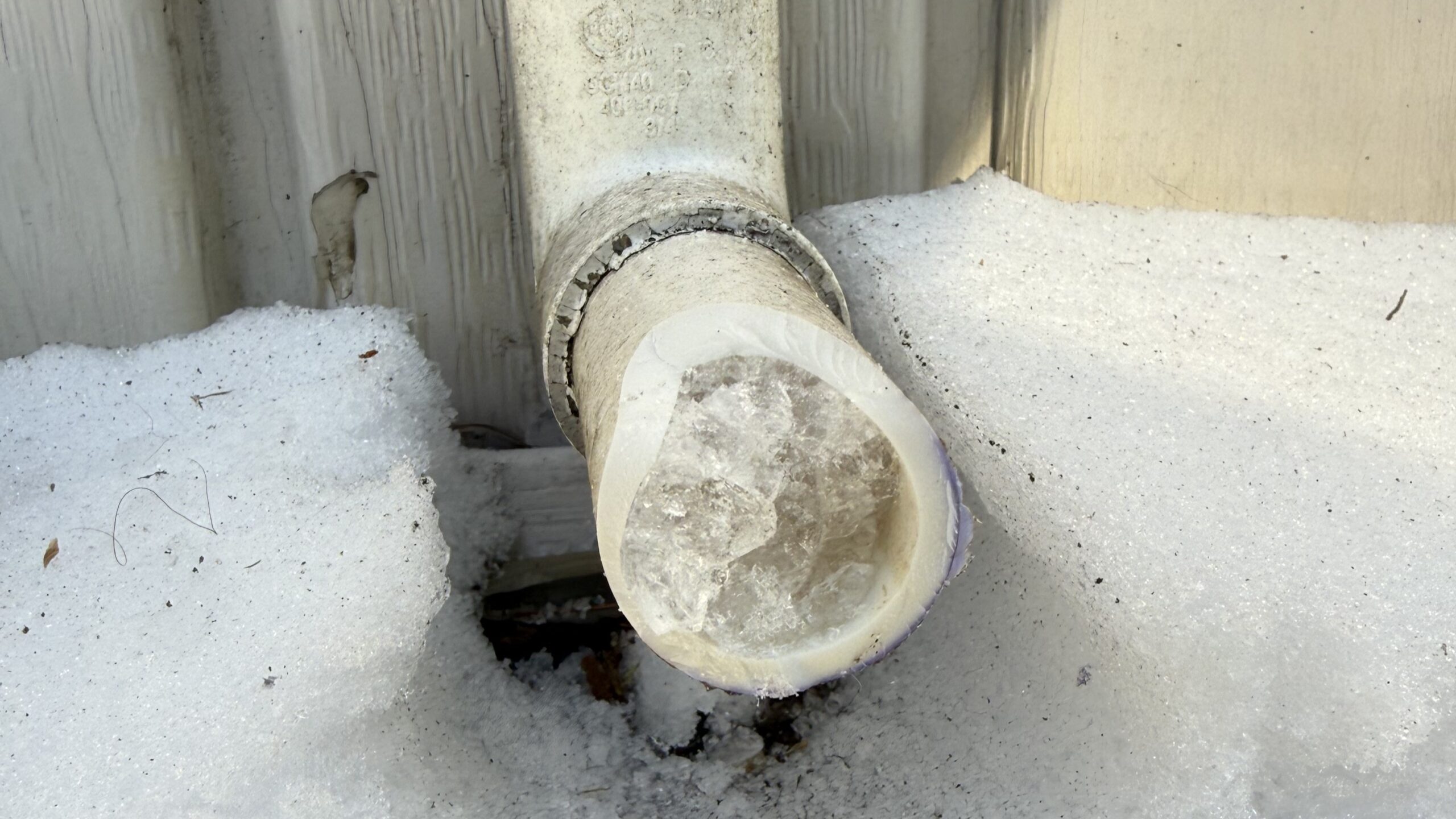
Moisture near indoor cooling equipment or a blocked condensate drain deserves attention.
What signs mean your HVAC system needs attention?
One unusual cycle does not always signal a major failure. A pattern that continues, however, should not be ignored.
Watch for:
- Weak or reduced airflow
- Rooms that remain noticeably warmer or colder than others
- Frequent starting and stopping
- New rattling, grinding, buzzing, or squealing sounds
- Unexplained moisture near indoor equipment
- Cooling or heating that runs for long periods without reaching the set temperature
- A sudden change in normal energy use without a clear change in weather or household habits
- Repeated tripped breakers or electrical odors
Turn the equipment off and schedule service when you notice burning odors, smoke, sparking, or repeated breaker trips. Do not remove access panels or attempt electrical repairs.
In short, early evaluation gives you more time to understand the problem before prolonged New Jersey heat or cold places additional demand on the equipment.
Schedule service with Princeton Air before peak heating & cooling season hits
What can you safely check before calling?
Homeowners can safely check accessible filters, thermostat settings, vents, breakers, and the area around the equipment.
Keep the inspection visual and external. Do not open sealed equipment, handle refrigerant, or touch internal electrical components.
Safe homeowner checks:
- Confirm that the thermostat is set to the intended mode.
- Replace thermostat batteries when applicable.
- Check whether the filter is visibly dirty.
- Confirm that supply and return vents are open.
- Look for a clearly tripped breaker, but do not repeatedly reset it.
- Remove loose debris around the outdoor unit.
- Check whether the equipment disconnect or service switch was accidentally turned off.
- Note error codes, sounds, odors, and when the problem occurs. These notes can help a technician evaluate the system efficiently.
When should you call an HVAC professional?
Call an HVAC professional when performance changes persist, safety concerns appear, or maintenance requires internal testing and adjustment.
A professional maintenance visit can include tasks that are not appropriate for a homeowner, such as:
- Checking electrical connections and controls
- Evaluating system airflow
- Inspecting coils and internal components
- Checking condensate drainage
- Testing operating temperatures
- Assessing refrigerant performance when applicable
- Identifying worn or failing parts
ENERGY STAR recommends professional pre-season checkups, ideally cooling service in spring and heating service in fall.
That timing is especially useful in New Jersey, where equipment may move quickly from winter heating into humid-weather cooling. Older homes in established Mercer, Middlesex, and Somerset County communities may also have ductwork, electrical systems, or building-envelope conditions that affect performance.
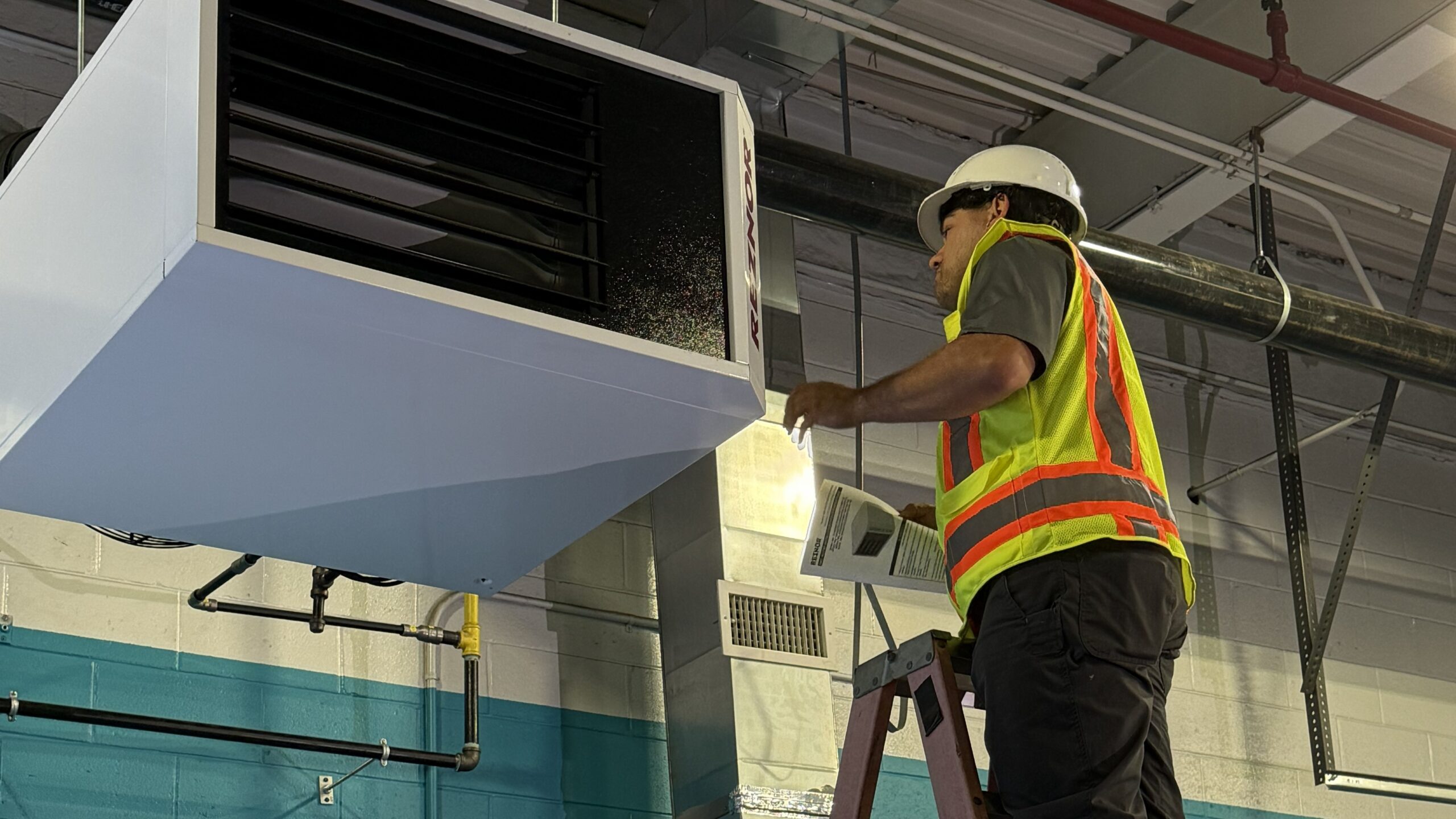
Make Maintenance Easier with Princeton Air’s Home Comfort Club
For homeowners who want a simpler way to stay ahead of routine maintenance, Princeton Air’s Home Comfort Club offers a whole-home membership designed to help keep essential systems running smoothly.
Members receive pre-scheduled maintenance visits, whole-home coverage options, savings on service work, exclusive membership scheduling, and support when unexpected issues arise.
It is a convenient way to plan care for heating, cooling, plumbing, and electrical systems while supporting efficiency, reducing the risk of surprise breakdowns, and helping equipment last longer.
When should you repair or replace the system?
HVAC repair is usually worth considering when the problem is isolated, the equipment otherwise performs reliably, and the proposed work is proportionate to the system’s condition.
HVAC replacement deserves a closer look when:
- Repairs are becoming frequent
- Comfort remains inconsistent after appropriate service
- A major component has failed
- The equipment cannot meet normal heating or cooling demand
- Replacement parts are difficult to obtain
- The system is poorly matched to the home
- The homeowner wants to evaluate efficiency, controls, noise, or comfort improvements
Age alone does not decide the issue. Equipment type, maintenance history, installation quality, operating condition, repair scope, and household goals all matter.
A technician should explain the finding, the repair path, and the replacement alternative without assuming one choice fits every home.
What affects HVAC cost in New Jersey?
HVAC cost in New Jersey depends on the work required, the equipment involved, and conditions inside the home. A precise recommendation requires an in-home assessment.
For maintenance or repair, common cost drivers include:
- Type and complexity of the system
- Accessibility of the indoor and outdoor equipment
- Diagnostic and labor requirements
- Replacement part availability
- Electrical or control problems
- Coil, drain, airflow, or refrigerant-related work
- Emergency or after-hours scheduling, when applicable
For replacement, additional drivers can include:
- Heating and cooling load
- Equipment capacity and efficiency
- Ductwork condition
- Electrical requirements
- Controls and zoning
- Equipment location
- Permit and inspection requirements
- Installation and commissioning scope
How can New Jersey homeowners reduce HVAC strain during peak weather?
The most effective approach is to combine routine homeowner care with scheduled professional maintenance and prompt attention to changing performance.
During humid New Jersey summers and extended winter cold:
- Keep filters and vents clear.
- Avoid extreme thermostat changes.
- Use shades or window coverings to limit unwanted summer heat.
- Close obvious air leaks where it is safe to do so.
- Keep exterior equipment unobstructed.
- Address unusual sounds, airflow, or cycling before the next weather extreme.
- Schedule seasonal maintenance before demand rises.
Schedule HVAC service with Princeton Air for a clear assessment of your HVAC system’s present condition and practical next steps
Frequently Asked Questions
How can I extend the life of my HVAC system?
Extending the life of an HVAC system starts with regular filter care, clear airflow, clean equipment surroundings, steady thermostat use, and professional pre-season maintenance. Prompt service for recurring noise, weak airflow, or frequent cycling can also keep a developing problem from continuing through a high-use period.
How often should an HVAC system be maintained in New Jersey?
An HVAC system in New Jersey should receive professional pre-season attention based on its equipment, manufacturer guidance, and condition. ENERGY STAR recommends annual checkups, with cooling equipment checked in spring and heating equipment checked in fall.
What HVAC warning signs should not be ignored?
HVAC warning signs that should not be ignored include weak airflow, repeated short cycling, unusual noise, uneven temperatures, moisture near indoor equipment, burning odors, and repeated breaker trips. Shut the system off if there is smoke, sparking, or an electrical odor, and arrange professional service rather than opening equipment panels.
Should I repair or replace my HVAC system?
The decision to repair or replace an HVAC system depends on the failure, repair history, overall condition, comfort performance, parts availability, and replacement goals. A single age number should not make the decision. Ask for both the immediate repair scope and the longer-term replacement option before choosing.