
Generator Installation in New Jersey
Trusted Generator Services in New Jersey
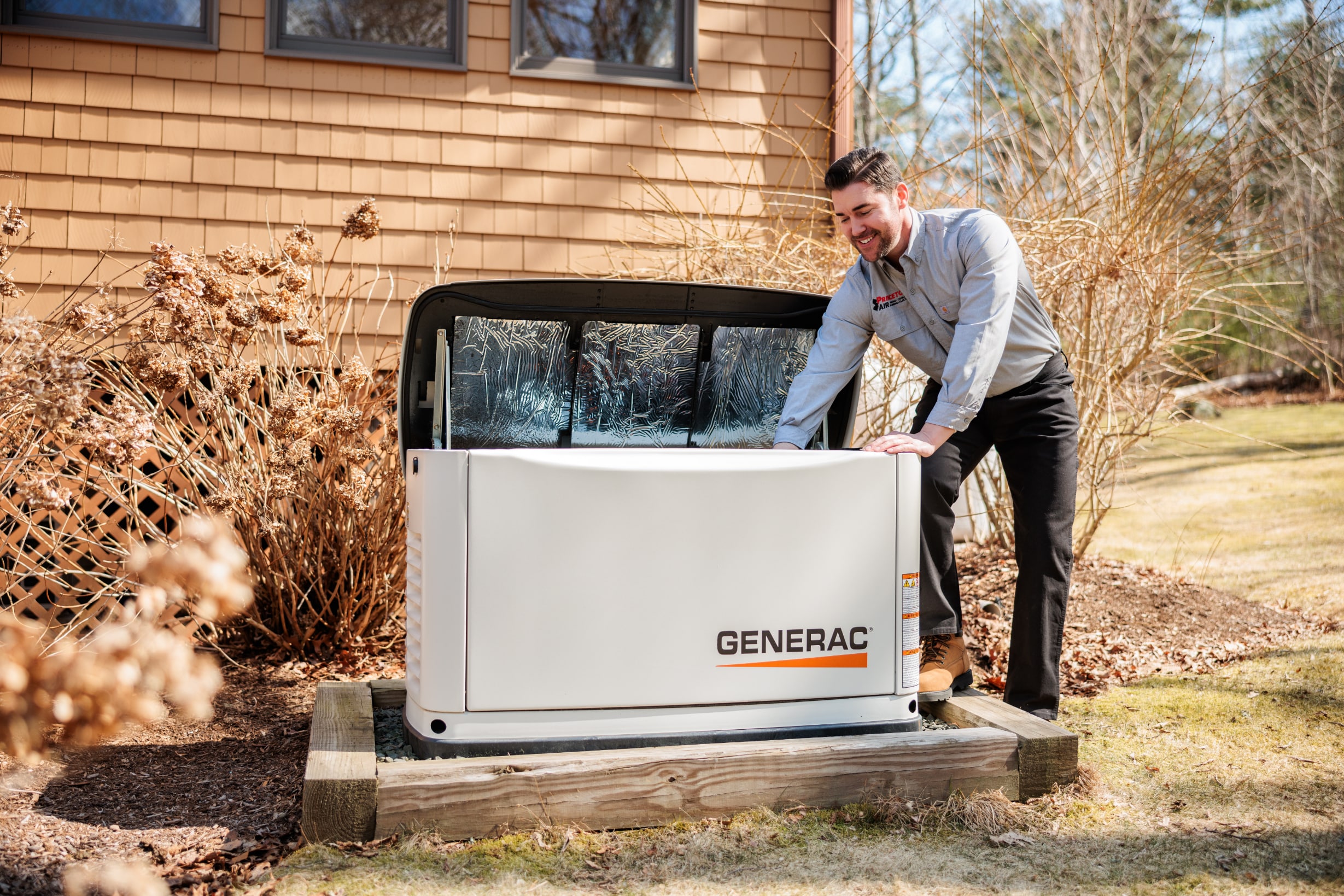
Generator Installation That Keeps the Lights On Through the Storm
Storms don’t announce themselves and outages don’t keep business hours.
The grid goes down across New Jersey several times a year, and when it does, the homes without backup power spend days waiting for the utility to restore service.
Princeton Air handles generator installation with licensed electricians, in-house gas line work, and proper sizing against the loads your household actually needs covered. After the install, outages become a non-event: the lights flicker once, the generator starts on its own, and the house keeps running until the grid comes back. Schedule your consultation online today.
Need Generator Installation? Princeton Air Is in Your Neighborhood
New Jersey sees real outages every year.
Nor’easters, summer thunderstorms, hurricane remnants, and occasional ice events all take the grid down somewhere across New Jersey every year.
Homeowners in Morristown, Parsippany-Troy Hills, Hillsborough Township, and Montclair have worked with us to install standby generators after storms like Sandy and Ida. Each installation is sized for the home, the fuel available, and what the household needs to keep running.



50+
Years in Business
700
Skilled Employees
24/7
Emergency Service
500
Trucks on the Road
What to Expect From Your Generator Installation
A standby generator is a bigger project than most electrical jobs, and the details matter.
A standby generator project includes plumbing the fuel line, wiring the transfer switch, and setting the pad. We move through four phases to get it all done right.
Your licensed electrician comes to the house and reviews the electrical panel, the available space for the generator and transfer switch, and the path for the fuel line. You share what loads you need to keep running during an outage, and that list shapes the sizing and the transfer switch configuration.
The generator pad gets set, the transfer switch gets mounted at or near the panel, the fuel line gets run from your gas supply, and the electrical tie-in gets completed to code. Your lawn, landscaping, and finished surfaces are protected through the work. Permits and inspections are handled as part of the job.
The generator is started, run through multiple cycles, and tested under load to confirm it handles the circuits you want covered. The automatic transfer switch is verified to activate and release cleanly. You get a walkthrough of the controls, the self-test schedule, and what to expect when an actual outage triggers the system.
Your relationship with Princeton Air doesn’t end at the install. You have a local team with more than 50 years of experience installing and maintaining electrical equipment across the region, and we’re the ones you call when anything comes up. Annual generator service keeps the unit ready to start the moment it’s needed, which is the entire point of owning one.

What Our Customers Are Saying
100% Satisfaction Guarantee


Get Pre-Approved Financing

Electrical Specials & Discounts
Take advantage of our current offers & coupons!
Get Pre-Approved Financing
Why New Jersey Homeowners Choose Princeton Air for Generator Installation
A generator is an investment that either works perfectly when it’s needed or feels like money wasted.
The installation is where that outcome is decided.
Every generator installation is completed by a licensed electrician. The transfer switch, the panel tie-in, and the code compliance are all the responsibility of someone qualified and accountable.
Generator sizing is the most important decision in the project, and we size against real outage patterns in this region, not generic assumptions. An outage here often means losing power for two or three days during a storm that also knocks out roads, which changes what a household needs the generator to cover.
Most standby generators in New Jersey run on natural gas from PSE&G, Elizabethtown Gas, or New Jersey Natural Gas, and some homes run on propane where utility service doesn’t reach. Our licensed team coordinates the electrical and fuel sides of the project so you’re not managing two contractors.
Generator installations require permits and inspections across New Jersey municipalities, and the requirements vary by town. We pull the permits, coordinate with the local inspector, and make sure the job passes before we close out the project.
From Wayne and Parsippany-Troy Hills to Freehold Township and Marlboro, we’ve installed generators across the state. Coastal communities that see the worst of tropical systems, inland neighborhoods hit by summer thunderstorm lines, and hill towns that lose power to ice all present different challenges. That range shapes every install decision.
We’re authorized on the major residential generator brands, which means warranty support stays intact and factory-trained service is available for the life of the unit. That matters when a generator lives 15 to 20 years and needs service from the same team that installed it.
The generator you install this year is the one that runs when the lights go out three winters from now. We stand behind the install, and we’re the team that services it through every year that follows.
Join the Princeton Air Home Comfort Club
Taking care of your home is easier when someone is taking care of it with you.
The Princeton Air Home Comfort Club is a whole-home membership built around four pre-scheduled maintenance visits each year, so the systems you rely on stay in peak condition through every season.
Members receive a discount on service work, credits toward future installations, priority scheduling during the busiest times of year, no dispatch fees when work is performed, and our 24-hour emergency service guarantee. It’s the simple way to protect your home, your budget, and your routine year after year.
The Home Comfort Club
Service plan starting at
$49.99/mo



Schedule Your Generator Consultation
A properly installed standby generator keeps the house running through whatever the weather brings.
If you’ve been through one too many outages, rely on equipment that can’t afford to go dark, or simply want the reassurance of backup power, our licensed electricians will walk the home, lay out the right system, and handle the full installation. Call Princeton Air today to schedule your consultation.

Generator Installation FAQs
What size generator do I need?
Generator sizing depends on which circuits and appliances you want to keep running during an outage. Essential-load generators cover a few critical items like the furnace, refrigerator, sump pump, and a few outlets, and are smaller and less expensive. Whole-home generators cover everything the grid would, including central air for New Jersey summers. We calculate the right size based on your actual needs.
Does a standby generator run on gas or propane?
Most residential standby generators in New Jersey run on natural gas from PSE&G, Elizabethtown Gas, or New Jersey Natural Gas. Propane is the answer in homes without utility gas service, which is common in some rural and hill communities across the state. Either fuel works reliably when installed correctly.
Will the generator start automatically when the power goes out?
Yes. A standby generator includes an automatic transfer switch that detects when utility power drops, starts the generator, transfers the home’s load to the generator, and then reverses the process when utility power returns. The whole sequence happens automatically, typically within 10 to 30 seconds of the outage. For New Jersey storms that cut power in the middle of the night, this matters.
How often does a generator need to be serviced?
Annual service is the standard, and some high-use units need twice-yearly attention. Oil changes, battery checks, transfer switch verification, and load testing all belong on the annual visit. Our Home Comfort Club members can schedule generator maintenance alongside their regular service visits.
How long does a generator installation take?
Most standby generator installations are completed in one to two days of on-site work. Permits, gas line coordination, and inspection scheduling can extend the overall project timeline to a couple of weeks depending on your municipality’s turnaround. You’ll have a clear schedule before any work begins.