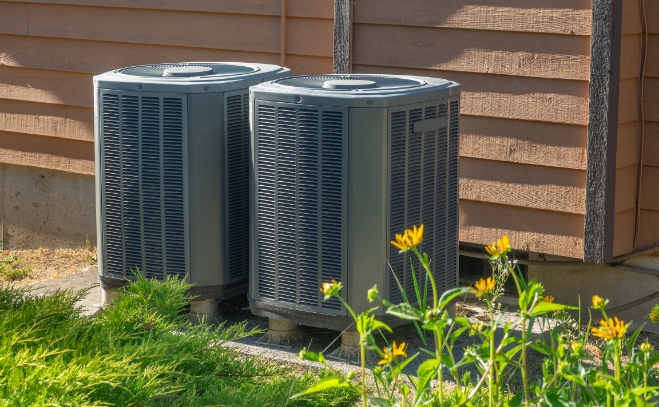
If your AC is not cooling in spring, it’s worth checking before New Jersey humidity and summer heat settle in. Many cooling problems start as small airflow, maintenance, or control issues, then feel much worse during the first real hot stretch. Common central AC problems include disrupted airflow, installation and maintenance issues, refrigerant leaks, and electrical or control trouble. The pros at Princeton Air can provide seasonal maintenance, recommend whether a repair or an AC replacement is better for your home, and help you get the most out of your air conditioner all summer long. We also provide 24/7 emergency HVAC service to help keep you cool during the most inconvenient times.
Schedule HVAC system maintenance now before summer demand makes scheduling tighter
8 Common Reasons an AC Stops Cooling
1. Could a dirty air filter stop my AC from cooling?
Yes. A dirty air filter is one of the most common reasons an AC system struggles to cool properly.
When the filter becomes clogged with dust, pet hair, and debris, airflow becomes restricted, making it harder for your system to circulate cool air throughout the home. In some cases, poor airflow can even cause the system to freeze up.
This is also one of the easiest things homeowners can check themselves. Turn the system off, locate the filter, and inspect it for buildup or discoloration. If it looks dirty, replace it with the correct size and type listed on the filter frame.
In many New Jersey homes, filters may be located in hallway returns, basements, attics, utility closets, or inside the air handler itself. If you’re unsure which replacement to buy, take a quick photo of the existing filter label before heading to the store.
2. Can thermostat settings make the AC blow warm air?
Absolutely. Incorrect thermostat settings can make it seem like your AC isn’t working — even when the equipment itself is operating normally.
First, check that:
- The thermostat is set to “Cool”
- The fan is set to “Auto”
- The temperature is set lower than the current room temperature
If the fan is set to “On,” the blower may continue circulating air even when the cooling cycle isn’t running, which can sometimes feel like warm air coming from the vents.
3. Do closed vents or blocked returns affect cooling?
Yes, blocked vents and restricted return grilles can reduce airflow and make certain rooms feel warmer than others.
Walk through the home and look for:
- Furniture covering vents
- Curtains blocking airflow
- Rugs over floor registers
- Storage boxes near returns
This is especially common in finished basements, older additions, bonus rooms, and converted spaces.
It’s also important to know that closing too many vents usually does not save energy. In many cases, it creates pressure issues that make your AC system work harder.
4. Can the outdoor AC unit cause poor cooling?
Definitely. Your outdoor unit needs steady airflow to remove heat from the home.
Leaves, grass clippings, weeds, shrubs, and debris around the condenser can reduce efficiency and impact cooling performance. Homeowners can safely clear debris around the unit, but should avoid opening panels or spraying electrical components directly with water.
New Jersey’s humid summers, spring pollen, and seasonal storms can also contribute to outdoor coil buildup over time. If the unit appears heavily clogged or dirty, professional cleaning may be needed.
5. Could ice on the AC mean something is wrong?
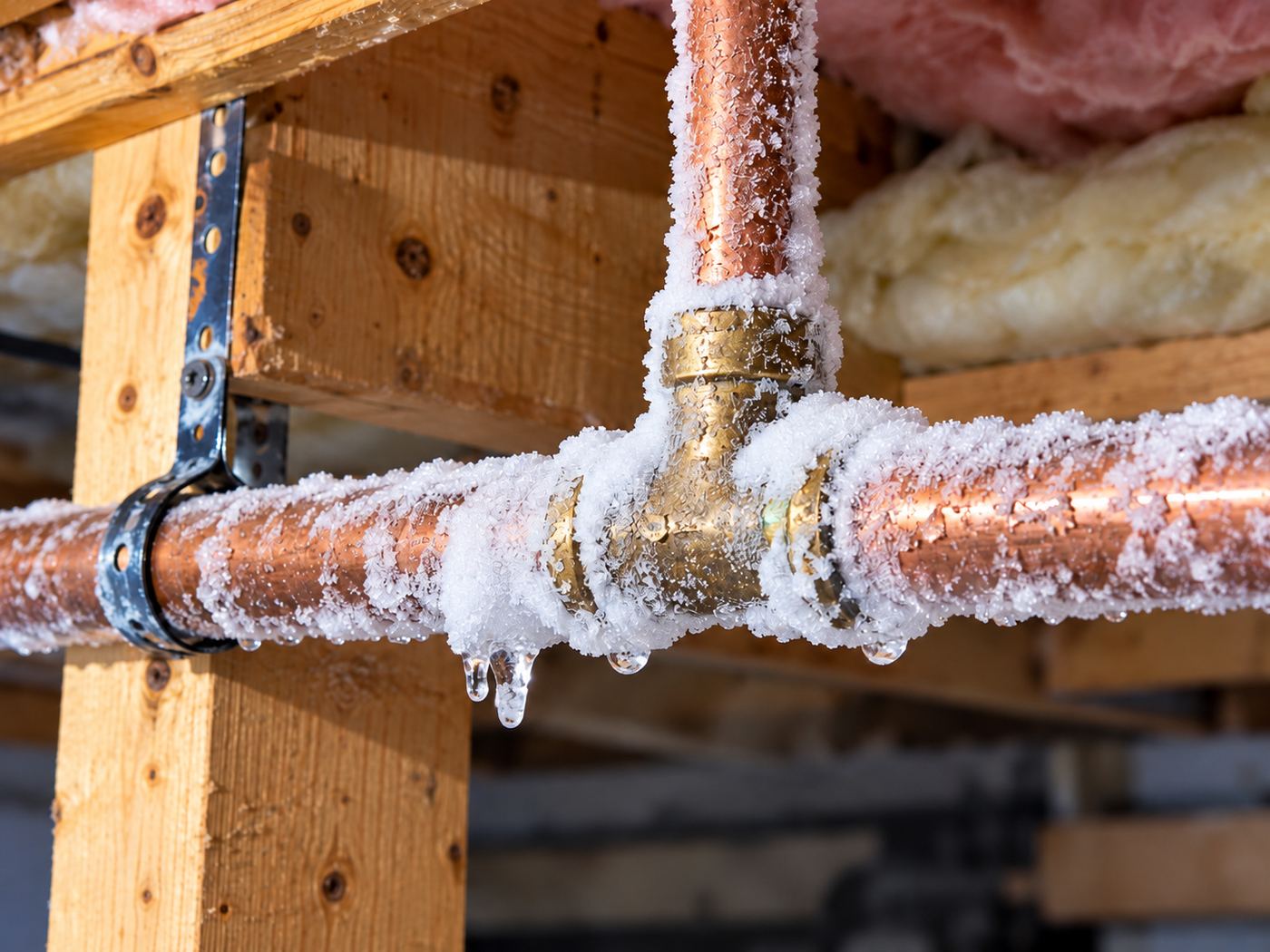
Yes. Ice on refrigerant lines or indoor coils is usually a sign that something is not operating properly.
Frozen components are commonly caused by:
- Restricted airflow
- Dirty filters
- Low refrigerant
- Mechanical issues within the system
If you notice ice buildup, turn the system off and allow it to thaw completely. Never try to chip away the ice yourself, since that can damage sensitive components.
If the ice returns after replacing the filter and checking airflow, it’s time to schedule professional service.
6. Does low refrigerant make an AC stop cooling?
Yes. Low refrigerant can prevent your AC from cooling effectively, but refrigerant problems are not a DIY repair.
Your system should not “use up” refrigerant over time. Low refrigerant levels usually indicate a leak or another issue within the system.
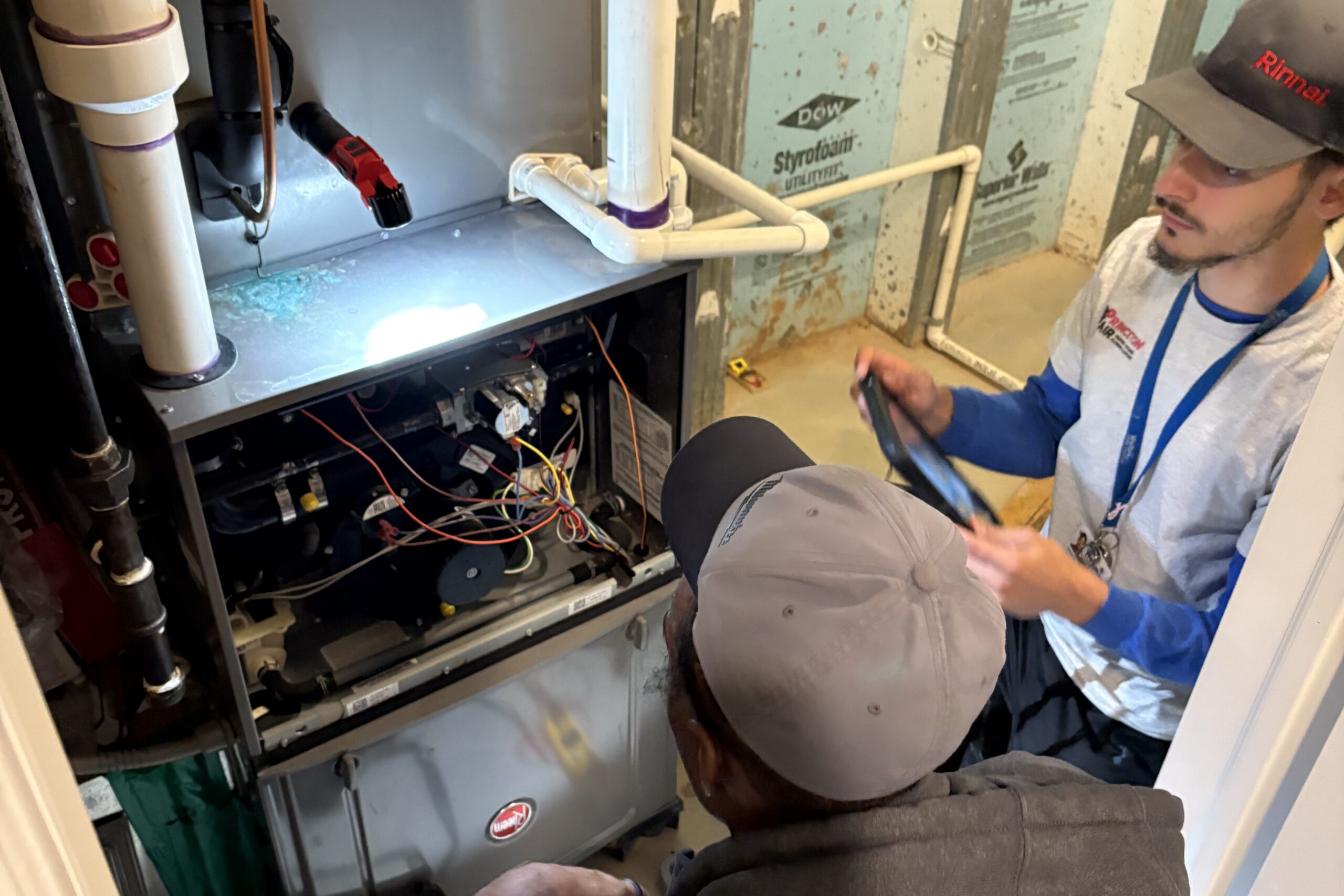
The licensed HVAC technicians at Princeton Air can test refrigerant pressures, inspect for leaks, and recommend the right repair solution for your home.
Attempting refrigerant repairs without proper tools and certification can damage the system and create safety risks.
7. Can electrical problems make the AC run but not cool?
They can. Some electrical problems allow parts of the AC system to operate while preventing the equipment from cooling correctly.
Start by checking:
- The thermostat display
- Your electrical panel
- Any recently tripped breakers
If a breaker trips once, you can try resetting it one time. If it trips again, stop resetting it and contact a professional.
Repeated breaker trips can point to deeper HVAC or electrical issues that require proper diagnosis.
8. Is the AC too old or worn out to cool well?
Sometimes, yes. Older AC systems can lose efficiency and struggle to keep up during hot, humid New Jersey summers.
If your system requires frequent repairs, cools unevenly, runs constantly, or struggles during heat waves, it may be time to discuss replacement options.
Many New Jersey homes have older ductwork, additions, finished basements, or layout changes that affect airflow and system performance. That’s why proper sizing matters. A quality replacement recommendation should account for your home’s current comfort needs — not just the size of the old unit.
Which AC problems are safe to check yourself?
A few checks are reasonable for a homeowner, but the safe DIY list is short.
You can safely:
- inspect the filter
- make sure vents are open
- confirm the thermostat settings
- check whether a breaker has tripped once
- look around the indoor unit for visible water.
Reserve refrigerant, deeper electrical work, and technical service for qualified professionals.
Safety note—if you smell burning, see ice buildup, notice repeated breaker trips, or suspect a refrigerant issue, that is where a pro comes in. Those are not good trial-and-error problems.
What signs mean the system may fail once summer starts?
Signs a system may struggle once the first heat wave hits include:
- weak airflow
- longer run times
- warm supply air
- rising indoor humidity
- unusual noises
- repeat breaker trips
These signs matter in New Jersey because spring can move quickly into humid summer weather, and a system that only feels “a little off” in May may feel much worse in June or July.
What affects repair cost in New Jersey?
Repair cost depends on the source of the problem, the parts involved, the age of the system, and whether the issue is simple maintenance or a larger mechanical or electrical repair.
Cost can vary with factors such as:
- airflow or duct-related issues
- refrigerant leak detection and repair
- coil cleaning or component replacement
- electrical troubleshooting
- thermostat replacement
- age and condition of the equipment
For homeowners watching utility bills closely, the more useful question is often not “what is the cheapest fix,” but “what repair restores reliable cooling without pushing money into a failing system.”
Should you repair or replace the system before summer?
AC repair usually makes sense when the issue is isolated and the rest of the system is still performing well.
AC replacement becomes more reasonable when the system has repeat failures, weak overall performance, or a larger repair tied to older equipment.
If your AC is not blowing cold air and this is not the first repair, this is a good time to compare likely repair scope against the expected comfort, efficiency, and reliability of the system going into summer. The Princeton Air pros can talk you through both options and help you decide what’s best for your home.
When should you call a professional in New Jersey?
You should call a professional when:
- your AC is running but not cooling well
- the airflow is weak
- the humidity indoors feels higher than usual
- the breaker trips more than once
- the system leaks water
- the unit starts making unusual sounds
Bottom line—if your AC is not cooling before summer, treat that as useful timing, not bad luck. Spring is often the best window to fix a smaller issue before the weather turns it into a bigger one.
Schedule service with Princeton Air today to get your system ready for summer
Frequently Asked Questions
Subheading
Why is my AC not cooling properly in New Jersey?
An AC that is not cooling properly in New Jersey usually points to airflow restrictions, dirty coils, thermostat issues, refrigerant problems, drainage trouble, or electrical faults. DOE lists disrupted airflow, maintenance problems, refrigerant leaks, and control issues among the common causes of central AC trouble.
Suggested internal link:
What should I check before calling for AC repair?
Before calling for AC repair, you can safely check the filter, thermostat settings, open vents, and whether a breaker has tripped once. ENERGY STAR also recommends checking condensate drainage and filter condition, while refrigerant and deeper electrical issues should be left to trained technicians.
When does an AC problem become serious enough to call a pro?
An AC problem becomes serious enough to call a pro when the system runs without cooling, trips breakers more than once, leaks water, makes unusual noises, or shows signs of refrigerant trouble. DOE says refrigerant leaks should be repaired and charged correctly by a trained technician.