The most effective way to prevent winter home emergencies is to catch small HVAC, plumbing, and electrical problems before cold weather puts those systems under heavier demand.
In New Jersey, winter preparation means checking the heating system, protecting vulnerable pipes and addressing electrical warning signs before sustained cold arrives.
A focused walkthrough now can help you spot where attention is needed.
What should homeowners check before winter arrives?
Start with a simple walk-through of the systems your home depends on most during freezing weather.
Check:
- Whether the heating system starts and maintains the thermostat setting.
- Whether the HVAC filter needs replacement or cleaning.
- Whether supply and return vents are clear.
- Exposed plumbing in basements, garages, crawl spaces and exterior walls.
- Visible plumbing leaks or damaged pipes.
- Breakers that trip repeatedly.
- Outlets or switches that feel unusually warm or appear damaged.
- Portable heaters and their cords before use.
- Your main water shutoff location.
In established New Jersey communities, homes can range from older row houses and historic properties to newer construction. That mixed housing stock means winter preparation should reflect the actual home rather than a one-size-fits-all checklist.
How can you reduce the chance of a heating emergency?
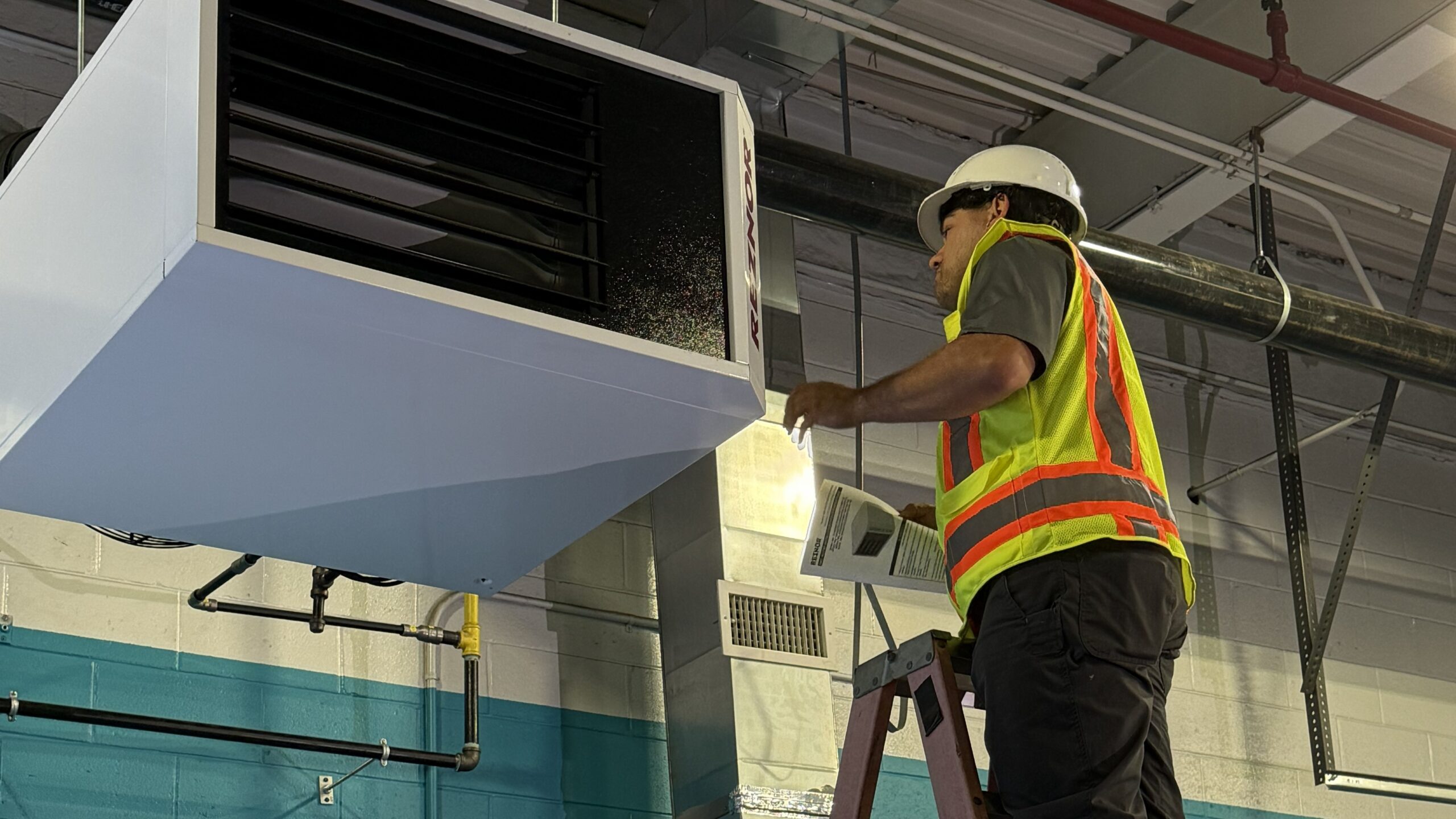
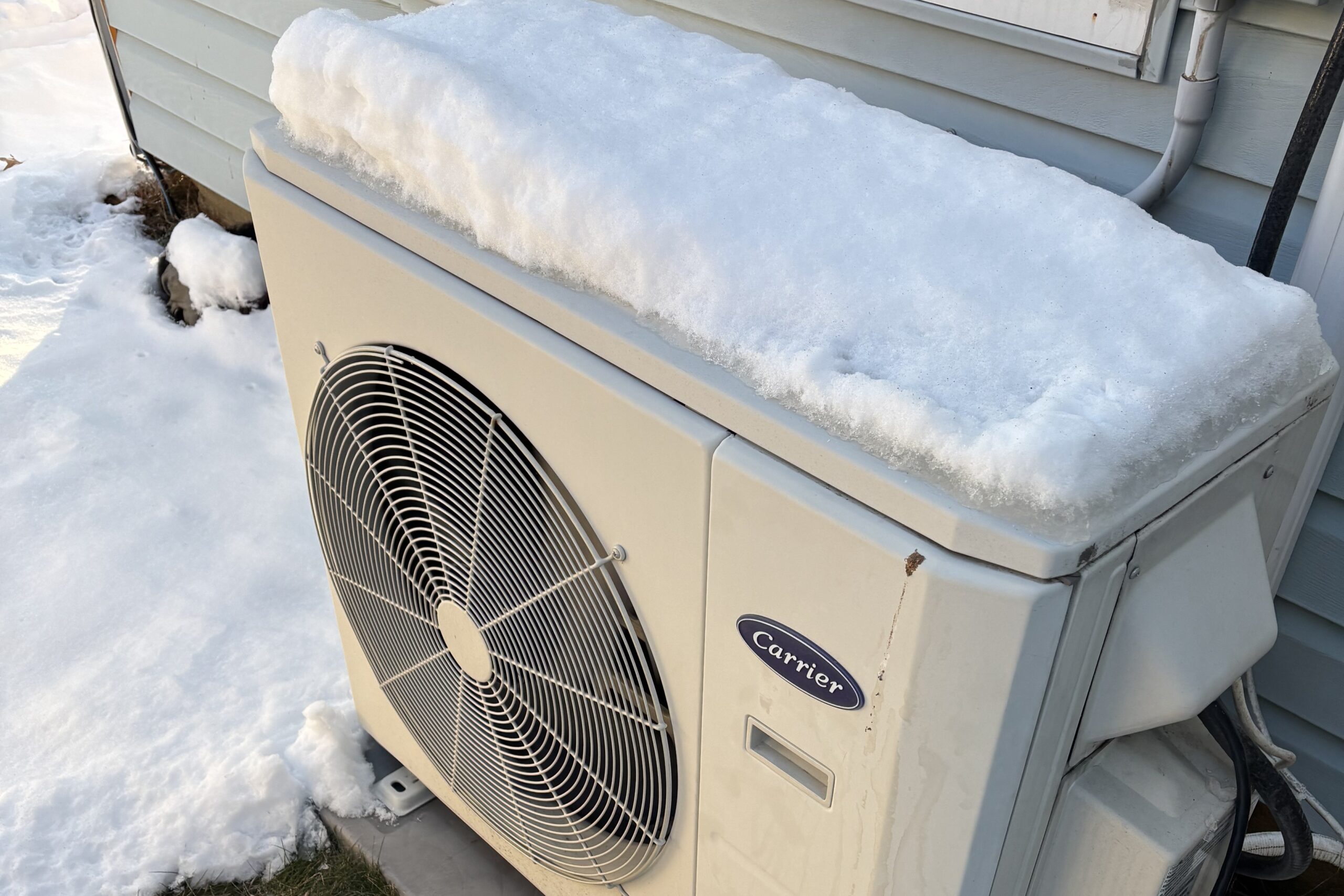
Have the heating system inspected before sustained winter demand and pay attention to changes in how it operates. ENERGY STAR recommends professional preseason heating maintenance,
Between maintenance visits, there are a few simple things you can check yourself:
- Confirm the thermostat is set correctly.
- Inspect the filter and replace or clean it when needed.
- Keep accessible vents open and unobstructed.
- Listen for sounds that are new or unusual.
- Notice whether the system begins shutting down or short cycling.
- Pay attention if rooms that normally stay comfortable suddenly do not.
A persistent change matters more than a single odd cycle. If the system repeatedly shuts down, cannot maintain temperature or continues behaving differently after basic checks, it is time for diagnosis.
If your heating system showed warning signs last winter, schedule an inspection today before sustained cold hits the region
How can you prevent frozen pipes and plumbing emergencies?
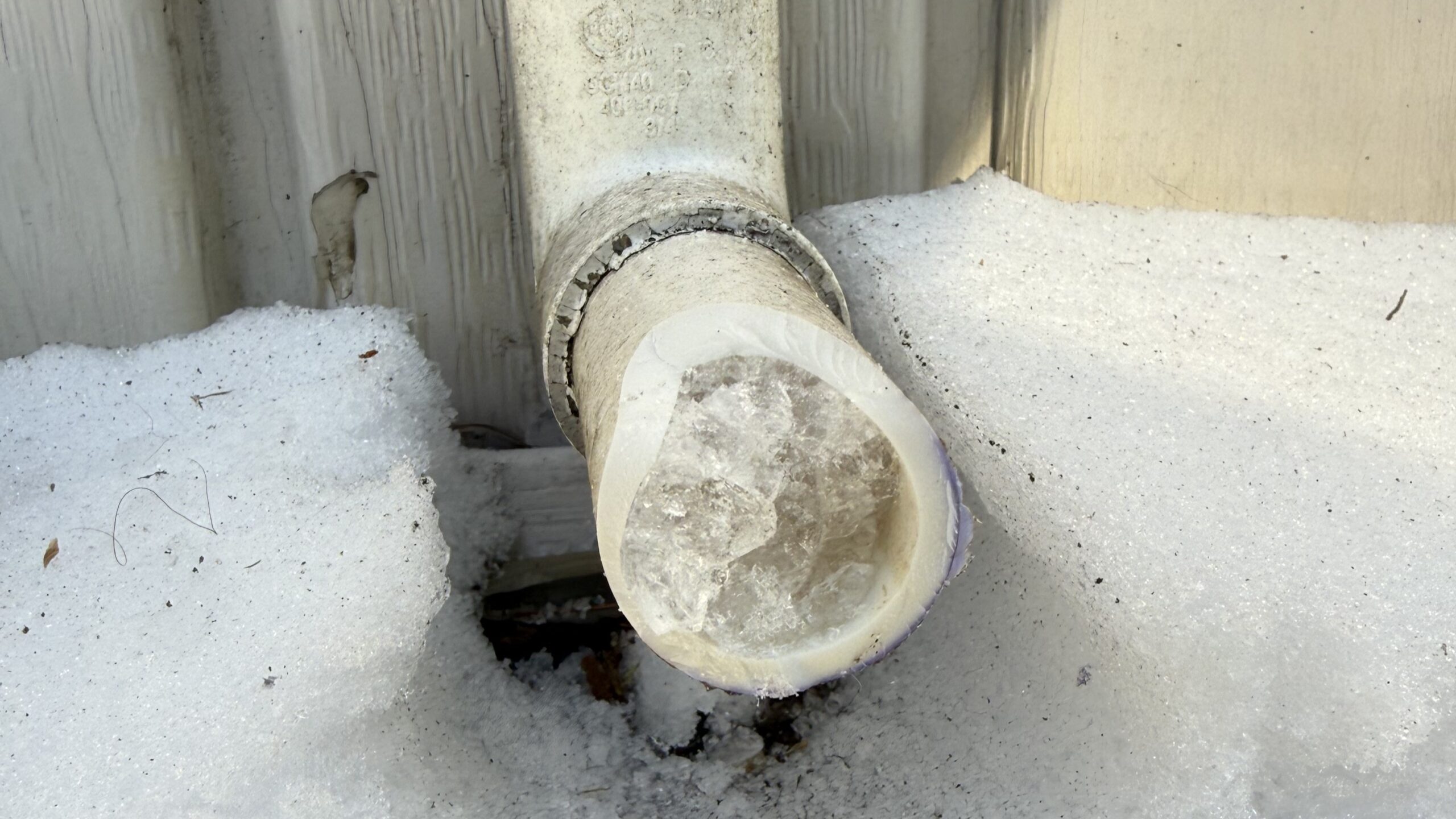
Focus first on plumbing that passes through cold or poorly insulated spaces. Water lines in basements, crawl spaces, attics, garages, cabinets and poorly insulated exterior walls are particularly vulnerable.
Before a cold snap:
- Disconnect and drain outdoor hoses as appropriate.
- Insulate vulnerable exposed pipes.
- Keep garage doors closed when water lines run through the space.
- Open sink cabinets when needed so warmer household air can reach plumbing.
- Maintain indoor heat.
- Know how to operate the main water shutoff.
When needed, opening sink cabinets can allow warmer household air to reach plumbing. During very cold weather, the Red Cross also recommends allowing cold water to trickle from a faucet served by an exposed pipe.
If a faucet produces only a trickle during freezing weather, consider the possibility of a frozen line. If a pipe bursts or begins leaking heavily, shut off the affected water supply when you can do so safely and arrange repair.
Knowing the location of your main water shutoff before that happens can save valuable time.
Which electrical warning signs deserve attention before winter?
Pay attention to electrical problems that repeat, create heat or suggest a damaged connection.
A breaker that trips repeatedly is generally responding to an underlying condition. Loose plugs, unusual warmth, and shocks are all signs that an outlet needs attention.
During your winter check, look for:
- Breakers that trip more than once.
- Outlets or switches that feel unusually warm.
- Loose-fitting plugs.
- Visible discoloration or scorching.
- Damaged appliance cords.
- Extension cords being used as permanent wiring.
- Portable heaters connected through inappropriate extension cords or power strips.
These are visual and operational checks only. Do not remove electrical panels or attempt internal wiring repairs as part of a seasonal walkthrough.
How should portable heaters be used more safely?
Plug portable space heaters directly into an appropriate wall outlet and inspect the heater and cord before use.
Keep heaters away from combustible materials, place them on stable surfaces, turn them off when leaving the room or going to sleep, and avoid extension cords and power strips.
A space heater should remain supplemental equipment. If you routinely need one because the primary heating system cannot keep the home comfortable, that points to a larger heating issue worth evaluating.
When is it time to call a professional?
Schedule service when a problem keeps returning, affects safe operation, or requires work inside mechanical, plumbing, or electrical systems.
HVAC warning signs
- Heating repeatedly shuts down.
- The home does not reach the thermostat setting.
- New noises or odors appear.
- Airflow changes significantly.
- The system frequently trips a breaker.
Plumbing warning signs
- A pipe repeatedly freezes.
- Water flow suddenly stops during freezing weather.
- A pipe begins leaking as it thaws.
- An active leak cannot be isolated easily.
- Water appears where it should not.
Electrical warning signs
- Breakers trip repeatedly.
- Outlets become warm.
- Plugs fit loosely.
- You hear buzzing or crackling.
- You see scorching or damaged wiring.
For an active fire, severe electrical hazard, or another immediate threat to life or property, leave the hazardous area and use the appropriate emergency service rather than continuing homeowner troubleshooting.
When does repair versus replacement make sense?
The decision depends on whether the problem is isolated or part of a broader pattern.
A single failed component may be repairable when the surrounding system remains serviceable. Replacement or a larger upgrade becomes more relevant when failures keep returning, surrounding components are deteriorating or the existing system no longer meets the home’s needs.
The same principle applies elsewhere in the home. One damaged outlet is different from a circuit or panel that no longer supports normal household load. An isolated split pipe is different from aging plumbing with recurring failures.
Condition, accessibility, performance, safety concerns, and repair history all help shape the decision.
What affects winter repair or upgrade costs?
Cost depends on the affected system, actual failure, access, parts, equipment and scope of corrective work.
HVAC cost drivers
- Equipment type.
- Failed component.
- Diagnostic complexity.
- Repair versus replacement.
- Ductwork or electrical needs.
Plumbing cost drivers
- Pipe location.
- Pipe material.
- Accessibility.
- Extent of water damage.
- Local repair versus larger replacement.
Electrical cost drivers
- Number of circuits involved.
- Wiring condition.
- Panel capacity.
- Accessibility.
- Required new circuits or outlets.
- Permit and inspection needs where applicable.
That is why unsupported flat prices are not especially useful. A professional inspection establishes the actual scope before a repair or upgrade is priced.
What is the simplest winter emergency-prevention plan?
Focus on three things: maintain the systems that will work hardest, protect known weak points, and respond when something starts behaving differently.
Before the next New Jersey cold stretch, make sure the heating system is ready, exposed plumbing is protected, and electrical warning signs have not been ignored. Know where the water shutoff is, use portable heaters correctly, and keep notes on problems that return from one season to the next.
Did your winter check uncover recurring heating trouble, vulnerable plumbing, or electrical concerns? Schedule service with Princeton Air today before peak winter demand arrives
Frequently Asked Questions
How can I prevent winter home emergencies?
Preventing winter home emergencies starts with maintaining heating equipment, protecting vulnerable plumbing and identifying electrical warning signs before sustained cold arrives.
How can I help prevent a furnace breakdown in winter?
Furnace breakdown prevention includes preseason professional maintenance plus homeowner checks of the thermostat, filter and accessible airflow.
How can I help prevent frozen pipes?
Frozen pipe prevention means protecting plumbing in unheated spaces, maintaining indoor heat and allowing warmer air to circulate around vulnerable pipes. During severe cold, the American Red Cross also recommends a small trickle from faucets supplied by exposed piping.
What are warning signs of an electrical problem in winter?
Winter electrical warning signs include repeated breaker trips, warm outlets, loose receptacles, visible damage or abnormal electrical behavior.
Can I plug a space heater into an extension cord?
A portable space heater should be plugged directly into an appropriate wall outlet rather than an extension cord or power strip. Extension cords and power strips can overheat when used with portable heaters.
When does a frozen pipe require a plumber?
A frozen pipe should receive professional attention when the frozen section is inaccessible, safe thawing does not restore flow, the line leaks as it thaws or the pipe has visibly failed.
Should I repair or replace an older home system?
Repair versus replacement should be based on the actual fault, condition of the surrounding system, repair history, performance and future needs rather than one symptom alone. A professional evaluation can determine whether an isolated repair remains reasonable or a broader HVAC, plumbing or electrical upgrade deserves consideration.