Electrical Safety Tips for Spring Power Surges in NJ
Spring power surges can do more than knock out a few electronics. They can stress HVAC controls, shorten the life of appliances, and expose weak spots in older electrical systems before summer arrives. In New Jersey, that matters because wet spring weather often comes right before humid cooling season, when your AC starts working harder again.
If you want the practical version, start here: protect sensitive equipment, pay attention to electrical panel and breaker warning signs, and do not wait on electrical issues once storm season starts.
What should you do before spring storm season starts?
The best first step is to reduce exposure before the next storm hits.
Power surges are brief voltage spikes that can damage or degrade electronics and other connected equipment. They can come from lightning, utility events, and even equipment inside the home cycling on and off. ESFI notes that many surges originate inside buildings, not just outside during dramatic weather.
A simple pre-storm checklist for New Jersey homeowners:
- Replace old or damaged plug-in surge strips.
- Unplug especially sensitive electronics during severe storms when practical.
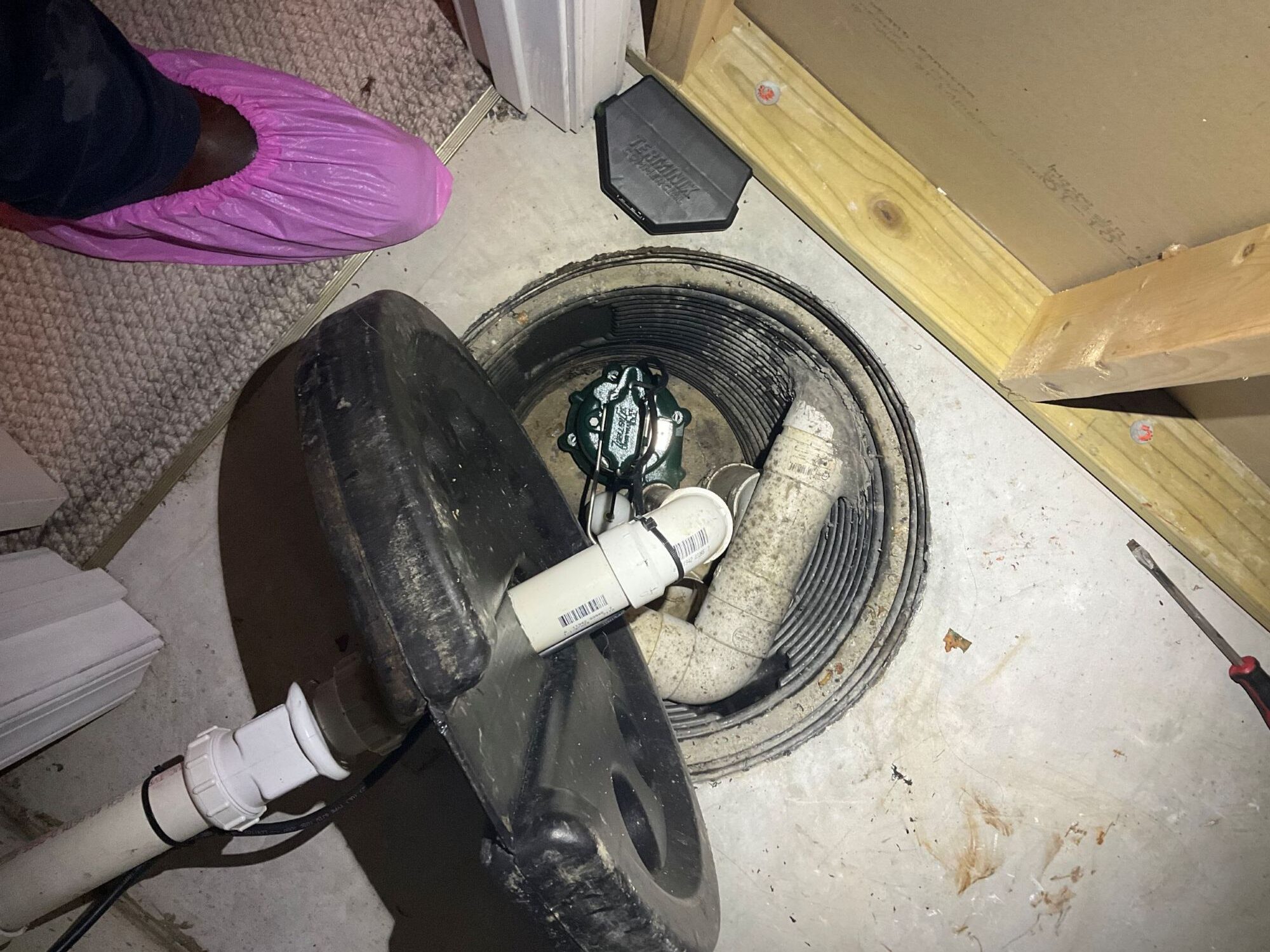
- Make sure sump pump, modem, router, and key home-office equipment have the right backup plan.
- Check that your carbon monoxide alarms work and have battery backup in case a storm causes an outage.
For HVAC systems, the main concern is the equipment you do not always see. Modern cooling systems depend on boards, controls, thermostats, and motors. A surge may not always cause instant failure. Sometimes it shows up later as odd cycling, thermostat issues, or a system that struggles once summer heat arrives. That is one reason spring is a smart time to check system condition before heavy AC use.
That’s where a pro comes in. A spring visit can help you catch control or performance issues before they become a mid-summer repair call.
What signs suggest your system needs attention before summer?
The clearest signs are electrical symptoms that repeat or show up after storms.
Watch for:
- Breakers that trip more often
- Lights that flicker when equipment starts
- A thermostat that resets
- A burning smell near the panel or outdoor unit
- Buzzing near disconnects
- An AC system that suddenly stops communicating the way it used to
Those symptoms do not prove surge damage on their own, but they do suggest the system needs professional attention.
In many established New Jersey communities, older homes can mean older panels, older branch wiring, or limited capacity compared with today’s cooling loads and electronics. Aging panels are a common concern in parts of Mercer, Middlesex, Somerset, and Monmouth County.
If your home has had recent outages, tree-related service interruptions, or repeated nuisance trips, do not ignore them. Small symptoms in April can become bigger comfort problems in July.
What affects cost in New Jersey if you need protection or repairs?
Cost depends on scope, equipment, and the condition of the existing electrical system.
For example, the price can change based on whether you need:
- Basic troubleshooting
- A control repair on HVAC equipment
- A professional inspection
- Panel-related work
- A broader surge-protection strategy
Older homes may need additional evaluation if the panel, grounding, or wiring layout limits upgrade options. That is especially relevant in long-established New Jersey neighborhoods where homes were built long before current electrical loads became normal.
You can expect pricing to vary with system design, panel condition, access, and whether the work is limited to HVAC diagnostics or includes electrical upgrades.
Should you repair, upgrade, or replace surge protection?
The right move depends on the age of the system, the symptoms, and whether the issue is isolated or systemic.
If a storm caused one obvious failure, repair may be enough after a proper diagnosis. If you have repeated breaker trips, panel concerns, or multiple devices showing damage, it may make more sense to look at a broader protection upgrade. Whole-home and targeted surge-protection options for indoor and outdoor applications are options that Princeton Air can assist with.
Do I need whole-home surge protection?
Power surges can strike unexpectedly from lightning, grid issues, or even everyday appliance use, putting your home’s electrical system and devices at risk. Surge protection services help defend against these spikes by installing devices that detect and redirect excess voltage before it causes damage.
Whole-home surge protectors, along with targeted indoor and outdoor solutions, provide layered protection for everything from major systems to sensitive electronics. Without this safeguard, surges can shorten the lifespan of appliances, damage HVAC systems, and even create fire hazards.
Whole-home surge protectors do not replace good grounding, quality installation, or point-of-use protection for especially sensitive electronics. If storm season keeps exposing weak points, an upgrade conversation is usually more productive than repeating one small fix at a time.
Professional surge protection does ensure reliable, energy-efficient performance and helps homeowners avoid costly repairs while keeping their homes safe and fully powered.
When should you call a professional in New Jersey?
Call a qualified professional when you notice repeat electrical symptoms, storm-related equipment issues, or any sign of overheating.
Safety note—burning smells, visible arcing, a hot panel, or repeated breaker trips should not be treated as normal seasonal quirks. And if a storm leads to an extended outage, EPA recommends focusing on safe lighting, safe generator use, battery backup where appropriate, and working CO alarms with battery backup.
Next Steps for NJ Homeowners
For homeowners who want to protect comfort before summer, the smart sequence is simple: have the cooling system checked, review any post-storm symptoms, and ask for clear recommendations based on the home you actually have.
When you schedule a spring HVAC evaluation before the first stretch of humid weather, Princeton Air can assess system performance, talk through comfort options, and help you decide whether the issue looks like routine maintenance, a repair, or a larger protection conversation.
Frequently Asked Questions
What causes spring power surges in New Jersey homes?
Spring power surges in New Jersey homes can come from lightning, utility events, or equipment inside the home cycling on and off. Wet spring weather can raise the odds that homeowners notice the problem before summer cooling demand begins. If surges seem to repeat, it is smart to have both the electrical side and the HVAC side reviewed by a qualified professional.
Can a power surge damage an air conditioner or heat pump?
A power surge can damage an air conditioner or heat pump because modern HVAC systems rely on electronic boards, motors, and controls. A surge may cause an immediate failure or show up later as poor communication, odd cycling, or unreliable starts. If a New Jersey home’s cooling system starts acting differently after a storm, a spring diagnostic visit is a practical next step before summer heat arrives.
What are signs my home may need surge protection?
Signs a home may need surge protection include repeated breaker trips, flickering lights, damaged surge strips, odd thermostat resets, or electronics that fail after storms. Those symptoms are especially worth checking in older New Jersey homes with aging panels or wiring layouts. If you notice heat, buzzing, or a burning smell near the panel, stop using the affected equipment and call a qualified professional.
When should I call a professional after a spring storm?
A New Jersey homeowner should call a professional after a spring storm if breakers trip repeatedly, the thermostat resets, equipment smells hot, or the AC stops behaving normally. Those warning signs can point to electrical stress that gets worse once summer humidity arrives. If the outage is prolonged, follow EPA guidance on battery backup, safe generator use, ventilation, and carbon monoxide alarms.