Winter readiness is easier when you review your home’s major systems before they are under steady cold weather demand. For New Jersey homeowners, that means checking heating performance first, then looking at plumbing and electrical conditions that could become harder to manage once temperatures drop.
A practical winter-readiness review starts with what homeowners can safely inspect, then moves to the warning signs that deserve professional attention from Princeton Air.
What should you check before winter arrives?
Start with the systems that will see heavier use or greater exposure to cold.
A basic winter home readiness checklist includes:
- testing the heating system before sustained cold weather;
- checking the HVAC filter;
- confirming thermostat operation;
- looking for visible plumbing leaks;
- identifying pipes in colder areas of the home;
- inspecting visible electrical cords, outlets, and switches;
- checking smoke and carbon monoxide alarms according to manufacturer instructions; and
- making note of recurring problems before winter demand increases.
ENERGY STAR recommends preseason heating system maintenance and routine air filter checks as part of HVAC upkeep
In established New Jersey communities, older basements, utility spaces, additions, and phased renovations can place heating, plumbing, and electrical equipment in very different conditions within the same home. That makes a whole-house review more useful than focusing on one system alone.
Make Maintenance Easier with Princeton Air’s Home Comfort Club
For homeowners who want a simpler way to stay ahead of routine maintenance, Princeton Air’s Home Comfort Club offers a whole-home membership designed to help keep essential systems running smoothly.
Members receive pre-scheduled maintenance visits, whole-home coverage options, savings on service work, exclusive membership scheduling, and support when unexpected issues arise.
It is a convenient way to plan care for heating, cooling, plumbing, and electrical systems while supporting efficiency, reducing the risk of surprise breakdowns, and helping equipment last longer.
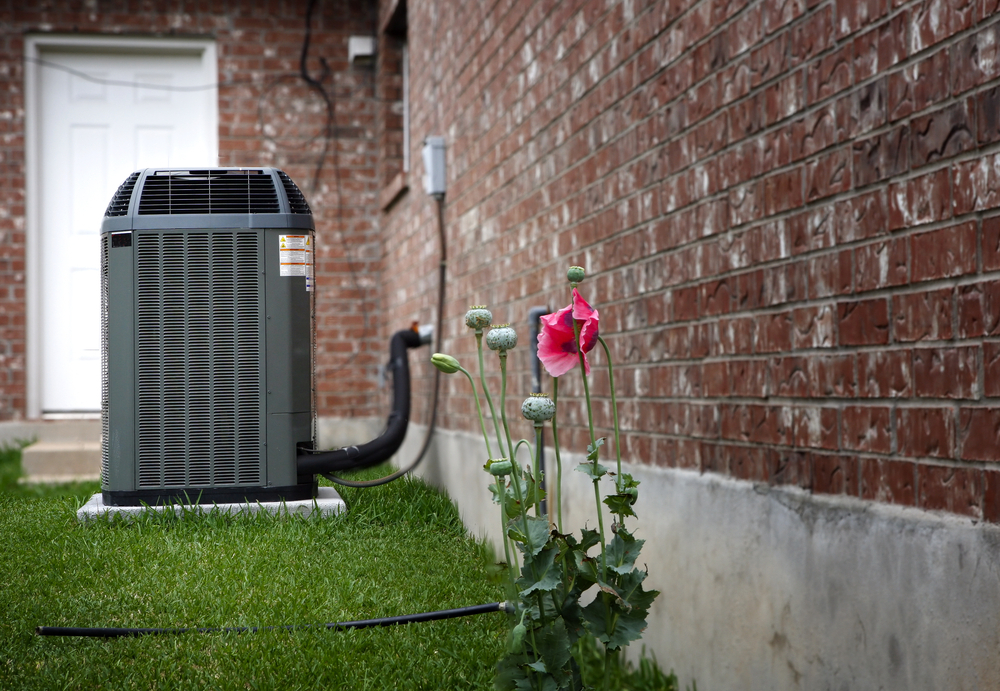
How should you prepare your heating system?
Start by confirming that the system starts, runs, and maintains the temperature you expect without obvious new problems.
Homeowners can safely:
- Review the thermostat. Make sure the temperature and system mode are set correctly.
- Inspect the air filter. Check filters regularly, especially during periods of heavier use.
- Keep vents clear. Furniture, boxes, or other household items should not obstruct normal airflow.
- Listen for changes. New or persistent operating sounds are useful information to share with a technician.
- Notice changes in comfort. Rooms that suddenly heat differently than before can justify a closer system evaluation.
A preseason professional inspection can go beyond these homeowner checks by reviewing controls, electrical connections, combustion-related components where applicable, and overall system operation.
The main question is whether a problem clears after a simple check or keeps returning. Professional attention is appropriate when:
- the heating system does not start reliably;
- the thermostat setting and indoor comfort no longer match;
- the system repeatedly shuts down or cycles differently than usual;
- heating performance has changed noticeably;
- visible equipment damage or unexpected water appears;
- a breaker repeatedly trips when equipment operates; or
- you suspect a combustion, gas, carbon monoxide, or electrical safety issue.
These symptoms do not identify one exact failure. They simply show that the problem has moved beyond routine homeowner maintenance.
If your heating system struggled last winter, schedule HVAC maintenance with Princeton Air before peak heating season to get ahead of potential issues
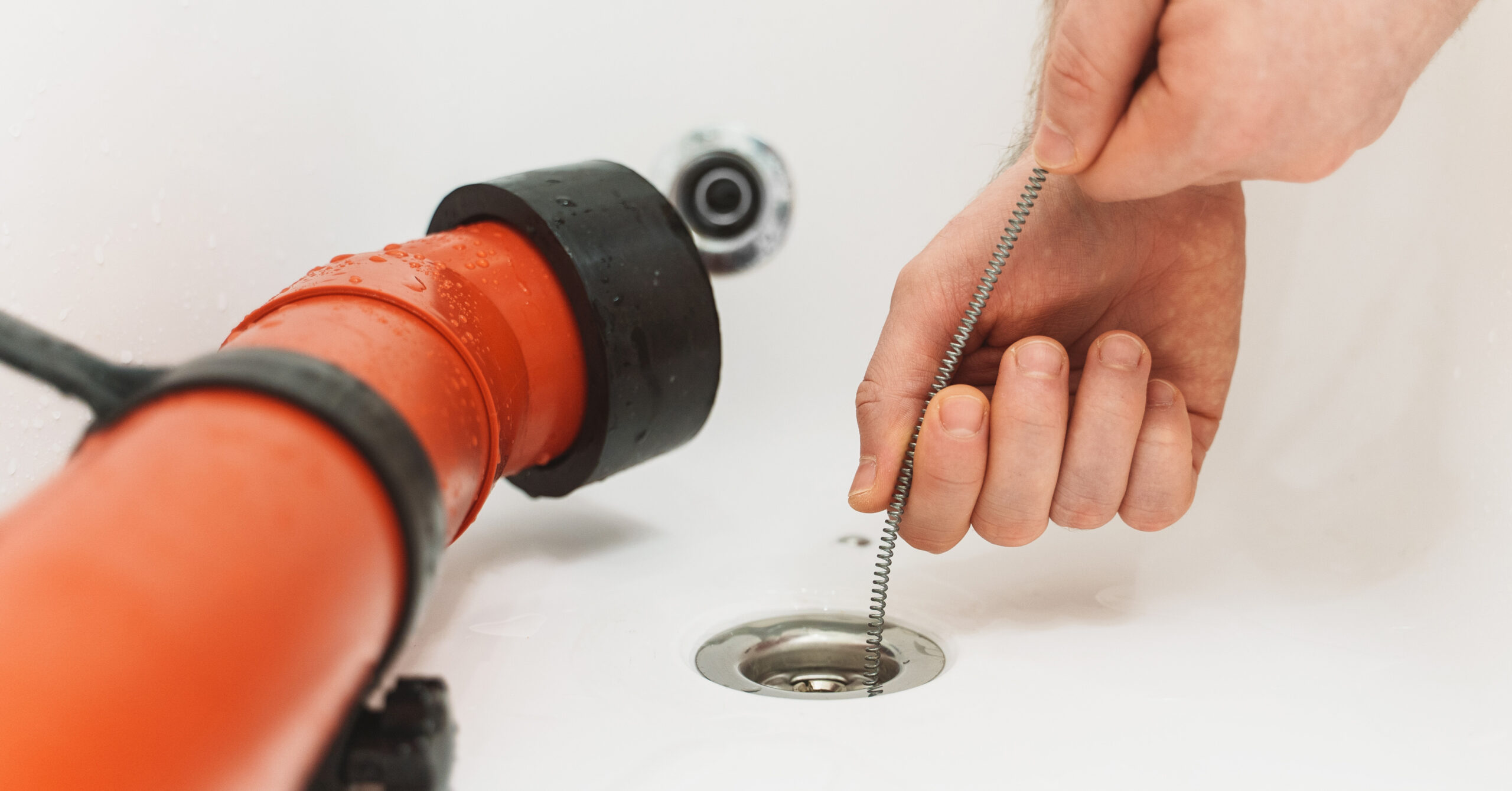
What plumbing issues deserve attention before cold weather?
Focus on existing leaks, vulnerable piping, and recurring plumbing problems before freezing conditions make them harder to manage.
Your plumbing review can include:
- checking visible supply lines and connections for leaks;
- looking beneath sinks and around fixtures for moisture;
- identifying pipes in basements, crawl spaces, exterior walls, or other colder areas;
- preparing outdoor plumbing according to the fixture or manufacturer guidance; and
- addressing recurring water heater, sump pump, or drainage symptoms that are already present.
New Jersey homes vary widely in age and layout. In older properties, plumbing may run through additions, unfinished spaces, or exterior walls built at different times.
The practical takeaway is simple: know where vulnerable plumbing is before cold weather arrives.
If you find an active leak, damaged pipe, or recurring plumbing issue, have it evaluated rather than waiting to see whether winter makes it worse.
What electrical warning signs should you address before winter?
Winter often brings longer heating system run times and more use of household electrical equipment, so recurring electrical problems deserve attention before demand increases.
Watch for:
- breakers that trip repeatedly;
- damaged switches or receptacles;
- persistent flickering associated with equipment operation;
- damaged cords or plugs;
- unusual heat, odor, or discoloration near electrical components;
- sparking; or
- HVAC equipment that repeatedly creates an electrical problem.
Do not remove panels or attempt internal wiring repairs as part of a homeowner winter checklist.
Electrical concerns involving heat, damage, repeated breaker trips, or unexplained system behavior should be evaluated rather than worked around. Princeton Air offers 24/7 emergency electrical service.
What safety concerns should not wait?
Some winter preparation concerns require a different response than routine maintenance.
If you suspect:
- a gas leak;
- a carbon monoxide issue;
- fire;
- active electrical arcing; or
- another immediate safety hazard,
leave the affected area when appropriate and follow current guidance from the relevant utility, manufacturer, or emergency authority rather than continuing to troubleshoot.
Internal electrical, fuel-burning, and mechanical repairs are not appropriate DIY winter-preparation tasks.
When does repair make more sense than replacement?
A winter problem does not automatically mean a system should be replaced.
The decision should follow the diagnosis and consider:
- the condition of the equipment or component;
- repair history;
- whether the problem is isolated or recurring;
- parts or equipment availability;
- installation requirements;
- how well the existing system still serves the home; and
- the homeowner’s longer-term comfort or performance goals.
For HVAC equipment, homeowners can review Princeton Air’s HVAC repair and broader HVAC service options while considering next steps.
Age alone should not determine the answer.
What affects winter home-service costs in New Jersey?
Costs vary because homes, equipment, and repair scopes differ.
Common drivers include:
- the type and condition of the equipment;
- repair versus replacement;
- system accessibility;
- required electrical work;
- plumbing modifications;
- equipment efficiency and capacity;
- installation complexity;
- code or permit requirements where applicable; and
- the amount of diagnostic or corrective work needed.
What should be on your final winter readiness checklist?
Keep the final pass simple.
Heating
- Test system operation.
- Check the filter.
- Confirm thermostat settings.
- Keep vents clear.
- Note recurring performance changes.
Plumbing
- Look for visible leaks.
- Identify pipes in colder areas.
- Review outdoor plumbing preparation.
- Address recurring problems before freezing weather.
Electrical
- Inspect visible cords, switches, and receptacles.
- Watch for recurring breaker problems.
- Do not ignore heat, sparking, or damaged components.
The goal of winter preparation is not to diagnose every issue yourself. It is to identify what appears normal, what you can safely handle, and what deserves professional attention before winter demand increases.
If your winter review uncovers a heating, plumbing, or electrical concern that needs more than a safe homeowner check, schedule service with Princeton Air.
Frequently Asked Questions
What should I check in my home before winter in New Jersey?
A New Jersey winter home readiness check should include your heating system, HVAC filter, thermostat, visible plumbing, electrical warning signs, and household safety devices. ENERGY STAR recommends preseason HVAC maintenance and regular filter inspection.
Homeowners can complete basic visual checks, but internal mechanical, electrical, or combustion-related work should be left to qualified professionals.
How often should I check my HVAC filter during winter?
An HVAC filter should be checked regularly during the winter heating season, with ENERGY STAR recommending monthly inspection during periods of heavy use and replacement when the filter is dirty.
What heating system signs should I have checked before winter?
Heating system problems such as unreliable starts, recurring shutdowns, major changes in comfort, visible damage, or repeated electrical issues deserve professional evaluation before winter. The goal is to identify whether the system needs maintenance, repair, or broader replacement planning.
Avoid opening equipment panels or attempting internal electrical or combustion-related repairs yourself.
What plumbing should I check before freezing weather?
Plumbing winter readiness should include checking visible pipes and connections for leaks and identifying piping located in colder or less-conditioned areas of the home. Existing leaks or damaged piping are better addressed before freezing conditions arrive.
Older New Jersey homes can have plumbing routed through basements, additions, and other spaces with different levels of cold exposure.
What electrical problems should be checked before winter?
Electrical problems such as repeated breaker trips, damaged receptacles, visible discoloration, unusual heat, or persistent problems associated with major equipment should be evaluated by a qualified professional.
Homeowners can observe and document these symptoms, but opening electrical panels or performing internal wiring work is outside a safe winter readiness checklist.
Should I repair or replace my HVAC system before winter?
An HVAC repair-versus-replacement decision should consider the specific failure, overall equipment condition, recurrence of repairs, home comfort needs, and installation requirements. System age alone does not determine the right choice.
A professional evaluation can clarify whether a focused repair remains reasonable or whether replacement planning deserves consideration.