Outdoor plumbing leaks have a way of hiding in plain sight. A small hose bib drip, a sprinkler head that sprays sideways, or a wet patch near the foundation can seem minor in spring, then turn into wasted water, higher bills, or bigger repair needs once summer use goes up.
For New Jersey homes, this timing matters. Wet springs, older exterior fixtures, and the jump into summer watering season can expose problems that were not obvious in winter. Princeton Air can help identify missed outdoor plumbing leaks and repair or replace the culprit.
What outdoor plumbing leaks are most common in spring in NJ?
The most common outdoor plumbing leaks in spring are:
- hose bib leaks
- irrigation and sprinkler leaks
- seepage around outdoor valves
- hidden line leaks near garden beds or walkways
- drainage or sump-related water issues
Leaks can occur at sprinkler heads, joints, valves, and piping, especially where water pools on the surface or sprays where it should not.
A few common examples include:
- a hose spigot that drips after shutoff
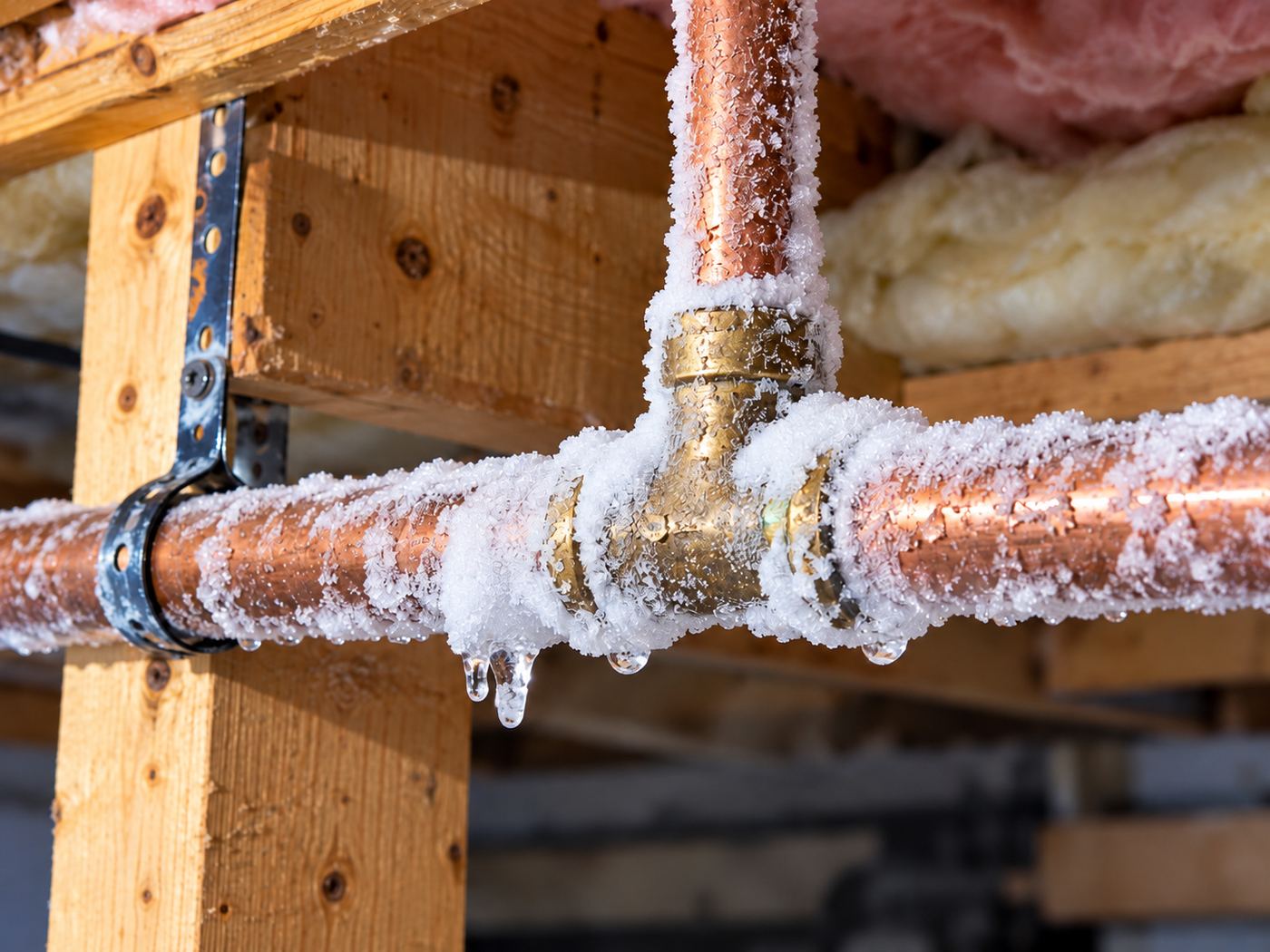
- a frost-damaged hose bib connection
- a broken or tilted sprinkler head
- water pooling between irrigation cycles
- soggy ground near a buried line
- a valve box that stays wet
- overflow or drainage issues after heavy rain
Ready for a plumbing inspection instead of more guesswork? Schedule service now
How can homeowners find outdoor water leaks early?
The best early checks are visual. Walk the outside of the home, run each irrigation zone if you have one, inspect hose connections, and look for areas that stay wet longer than they should.
A simple spring walkthrough should include:
- checking hose bibs for drips after use
- looking for soft ground near outdoor lines
- watching sprinkler heads while each zone runs
- checking for water spraying onto sidewalks or siding
- opening valve boxes if safe and accessible to look for standing water
- comparing the water bill to the same time last year, since a higher bill can point to an unidentified leak
What does a leaking hose bib usually mean?
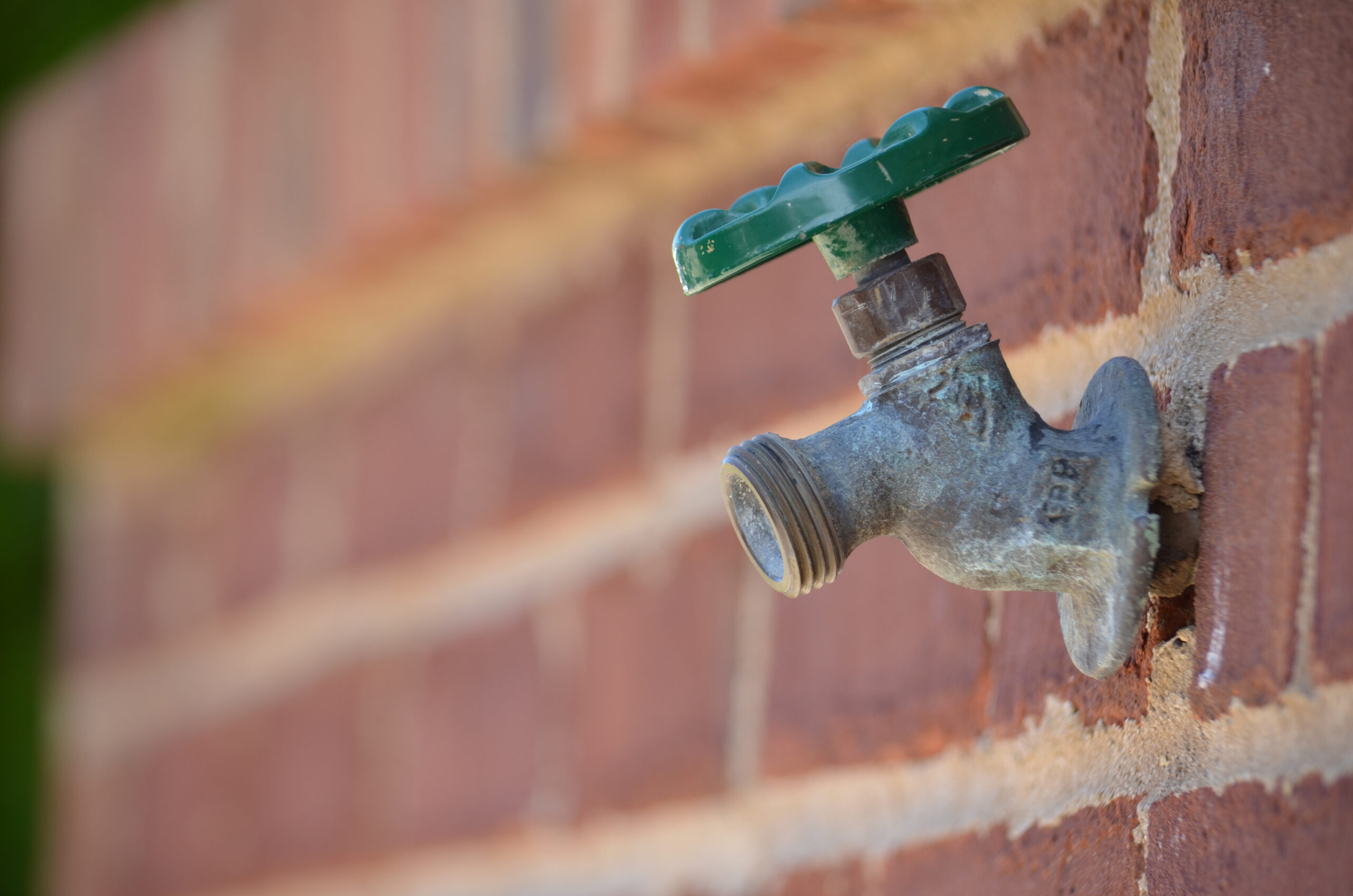
A leaking hose bib (also called a water spigot) usually points to:
- a worn washer
- a damaged packing nut (the small nut located right under the handle)
- freeze-related wear
- a loose connection where the fixture meets the piping
In older New Jersey neighborhoods, outdoor faucets can take a beating through cold winters and wet spring transitions. That does not automatically mean a major repair, but it does mean a small drip is worth addressing before outdoor water use rises in late spring and summer.
Safety note—if the source of a leak is unclear or appears underground, it is best to avoid digging or making adjustments.
What sprinkler and irrigation leak signs do homeowners miss?
The signs people miss most are the subtle ones:
- a head that no longer pops up fully
- one section of lawn that stays soaked
- a spray pattern hitting the driveway
- water that keeps seeping even when the system is off
Leaks can happen at joints between sprinklers and piping. Pooling water between irrigation cycles can signal an underground or component-level leak.
Another quick check—look for broken or missing heads, especially if the system runs overnight. Those can be easy to miss and can lead to wasted water and flooding in the landscape.
What signs suggest the system needs attention before summer?
The clearest signs are:
- standing water
- rising water bills
- repeated wet spots
- low outdoor water pressure
- foul odors near exterior drains
- any leak that keeps returning after a simple tightening or adjustment
Slow drains, recurring clogs, and foul odors can point to plumbing problems that grow into costlier repairs if left alone.
Safety note—if water is collecting near the foundation, near electrical equipment, or around basement-entry drains after rain, that’s a good time to stop treating it as a cosmetic issue.
What affects repair cost in New Jersey?
Repair cost depends on where the leak is, how accessible the line or fixture is, whether the issue is a simple component replacement or a buried-line problem, and whether water damage or drainage issues are already involved.
A few common cost drivers are:
- hose bib or fixture replacement versus simple tightening
- buried irrigation line access
- sprinkler head or valve replacement
- sump-related or drainage-related issues
- age of the exterior plumbing
- damage to nearby landscape or hardscape
Should you repair or replace the affected part?
Repair usually makes sense when the issue is isolated, like one leaking spigot, one damaged sprinkler head, or one accessible valve problem.
Replacement becomes more reasonable when the fixture is badly worn, the same component keeps leaking, or a larger section of the system is showing age.
This is especially true for older exterior fixtures that have gone through repeated freeze-thaw cycles. The goal is not to replace parts too early. It is to avoid putting repeated labor into a part that is already near the end of its reliable life.
How can you prevent outdoor plumbing leaks before summer?
The best prevention is a short spring checklist:
- inspect hose bibs before regular outdoor use
- disconnect and replace worn hoses or washers
- run each irrigation zone and watch it in daylight
- look for pooling water or spray hitting hard surfaces
- check visible outdoor valves and boxes for seepage
- pay attention to unexplained water-bill changes
- schedule plumbing help early if a leak keeps coming back
When should you call a professional in New Jersey?
You should call a professional when:
- the leak is recurring
- the source is buried or unclear
- water is pooling near the home
- the irrigation system appears to be leaking below grade
- the issue affects drainage, sump performance, or multiple fixtures
Bottom line—spring is the best time to catch outdoor plumbing leaks while they are still small enough to be straightforward. If a wet spot, drip, or sprinkler problem keeps showing up, it is worth getting it checked before summer raises the cost of waiting.
Schedule service with Princeton Air today to address outdoor leaks before summer arrives
Frequently Asked Questions
What outdoor plumbing leaks do homeowners miss most in spring?
Outdoor plumbing leaks homeowners miss most in spring are usually hose bib drips, leaking sprinkler joints, broken sprinkler heads, wet valve boxes, and soggy spots caused by buried-line leaks. These leaks can show up as pooling water, overspray, or parts that no longer work correctly during irrigation cycles.
How can I tell if my sprinkler system has a leak?
A sprinkler system leak often shows up as pooling water, one area of the yard staying unusually wet, a head that sprays sideways, or seepage when the system should be off. Leaks can occur at joints, valves, and piping, not just at visible heads.
When should a New Jersey homeowner call a plumber for an outdoor leak?
A New Jersey homeowner should call a plumber for an outdoor leak when the source is not obvious, the leak keeps returning, the line may be buried, or water is collecting near the home or drainage system.
Can outdoor plumbing leaks raise a water bill?
Outdoor plumbing leaks can raise a water bill because even small leaks waste water over time. A significantly higher monthly bill compared with the same month in the previous year can indicate an unidentified leak in the home.